Car Storage: How to Winterize a Performance or Classic Car
Winter storage done properly takes an afternoon in fall. Done poorly it costs thousands in spring repairs.
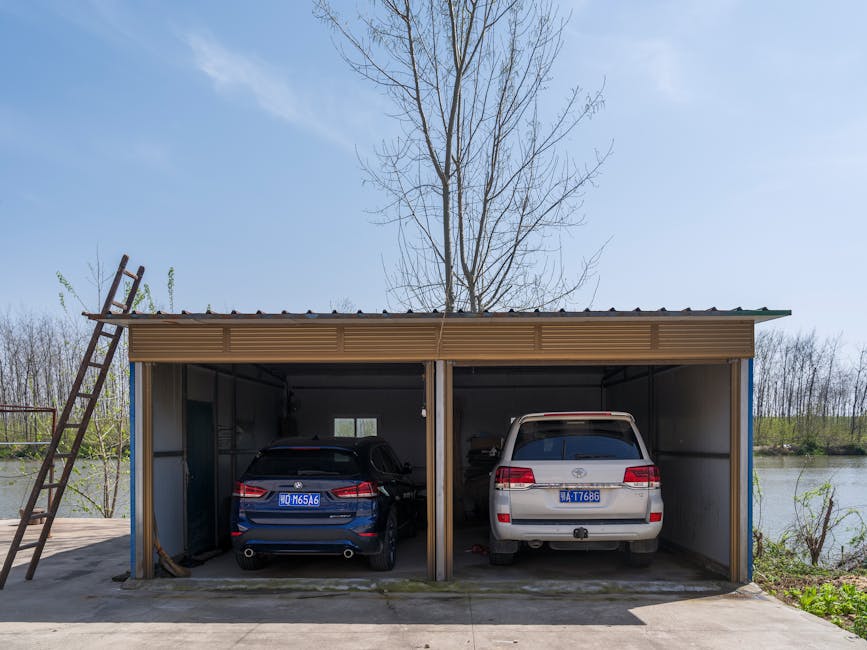
My Corvette goes into winter storage on October 20th every year and comes out around April 10th. That's 170 days of not being driven. Getting those days right makes the difference between a car that starts and drives like new in spring, and a car that needs $2,000 in attention before it runs properly again. Most performance and classic car owners do about 30% of what they should for winter storage, which is why the first drive of the year is often a disappointment.
Winterization done properly takes an afternoon in fall and another afternoon in spring. The investment is modest. The payoff is a car that's ready to drive when you want it, without unexpected repairs from storage-induced damage. Here's what the process actually looks like for a performance car, a classic car, or really any vehicle that sits for months.
Why storage damages cars
Cars are designed to be driven. Every system in the car assumes regular use for fluid circulation, heat cycling, and mechanical function. When a car sits still for three to six months, problems develop that don't happen to regularly-driven vehicles.
Fuel degrades. Modern gasoline, especially ethanol-blended fuel, starts to phase-separate and develop varnish deposits within 90 days. Stale fuel clogs injectors, fouls spark plugs, and makes cold starts difficult when the car returns to service.
Tires develop flat spots. A car parked for months rests on small contact patches that compress and deform. When you drive away in spring, the flat spots manifest as vibration until the tires warm up and regain shape, and severe flat spots can be permanent.
Batteries self-discharge. A battery sitting disconnected loses 5-15% of charge per month from internal chemistry. Batteries connected to a car continue drawing small parasitic current for clock, alarm, computers, and keyless systems. By spring, a battery left to sit is often too depleted to start the car and may be permanently damaged.
Brake rotors and calipers rust. Humidity and temperature cycling cause surface rust on rotors. This is cosmetic and clears in the first few stops of spring driving, but severe rust can cause stuck calipers, which requires disassembly to resolve.
Seals dry out. Rubber seals around engine, transmission, differential, and axles depend on fluid contact to stay pliable. When the car sits, seals dry out, develop memory in compressed positions, and leak when pressure returns.
Rodents find the car. Modern wiring harnesses use soy-based insulation that mice find delicious. Chewed wiring is a $1,500-8,000 repair depending on what they damaged. Paper nesting material in intake ducts, air filters, and heater cores causes additional problems.
Before you store the car
Start preparation two weeks before the storage date. This gives you time to complete all the steps and address any issues you find.
Fill the fuel tank. A full tank has less air space for moisture condensation. Add fuel stabilizer like Sta-Bil or Star Tron according to the bottle directions. Run the engine for 15 minutes to circulate the stabilized fuel through the injectors and fuel lines. This is important; stabilizer in the tank doesn't help if it never reaches the injectors.
Change the engine oil. Old oil contains combustion byproducts that become acidic over time. Fresh oil is more stable and protects bearings during storage. Do the oil change within a week of storage, then drive briefly to circulate new oil through the engine.
Check and top off all other fluids. Coolant, brake fluid, power steering, transmission, differential, washer fluid. Low fluid levels accelerate seal drying.
Wash and wax the car thoroughly. A clean surface resists corrosion better than a dirty one. Contaminants like brake dust, tar, and organic debris cause problems when left in contact with paint for months. Wax provides a protective barrier.
Tire preparation
Inflate tires to 10 psi above normal operating pressure. Higher pressure reduces flat-spotting during storage. A tire at 44 psi develops less flat spot than a tire at 34 psi when both sit for four months.
Alternative: if you have jack stands capable of supporting the car, raise each corner so the tires are off the ground entirely. This completely eliminates flat spotting but is more work and requires proper jack stand placement on factory lift points.
If using jack stands, place them on factory jacking points, not random parts of the subframe. Place wood blocks between stands and car for protection. Cover the car with a breathable cover.
Storage location
Climate-controlled garage is the ideal. Stable temperature and humidity prevent condensation cycles that accelerate corrosion. If you have a garage with no climate control, you can add a basic dehumidifier and small heater to create better conditions.
Outdoor storage with a quality car cover is worse than any garage but better than leaving the car completely unprotected. The cover must be breathable. Waterproof covers trap moisture against the paint and cause worse damage than rain exposure. Quality breathable covers run $200-500 and last several seasons.
Rented storage facilities vary in quality. Evaluate the building for climate control, security, and condition of other stored vehicles. A facility full of rusting cars is telling you something about the environment.
Battery management
The single biggest storage decision is how to handle the battery. Three options:
Disconnect the negative terminal. Stops all parasitic drain. Requires reprogramming certain electronics when reconnected (radio codes, clock, driver seat memory). Battery still self-discharges but much slower. Works for short storage periods.
Connect a battery tender. A battery tender is a small trickle charger that maintains the battery at full charge indefinitely. Costs $40-80 for a quality unit. Plug into a garage outlet, connect to battery terminals with quick-disconnect pigtails. Battery stays perfectly charged all winter. Best solution for most people.
Remove the battery entirely. Take it inside to a climate-controlled space. Use a tender or charger to keep it maintained. Reinstall in spring. Most reliable preservation but more work.
Don't just leave the battery connected without a tender. You'll be replacing it in spring more often than not.
Rodent prevention
The most neglected aspect of storage. Rodents cause more expensive damage to stored vehicles than any other factor.
Clean the car thoroughly inside and out before storage. Remove all food residue, no matter how small. Crumbs attract mice and there's always more crumbs than you think. Pay particular attention to seat crevices, door pockets, and trunk carpeting.
Place mothballs, peppermint oil packets, or Fresh Cab rodent repellent in the interior and engine bay. Multiple sources of scent in multiple locations work better than one concentrated dose. Replace every 30 days during storage.
Plug the tailpipe with a cloth or rodent-specific cover. Plug the air intake with the air filter housing or a dedicated cover. These are common rodent entry points. Sealing them matters.
Set snap traps around the car's perimeter, baited and ready. Check them regularly. Even with repellents, some rodents will push through, and traps catch them before they reach the car.
What not to do
Don't leave the windows open or slightly cracked. This gives rodents easy access and defeats the climate control if you have any.
Don't run the engine occasionally during storage just to "keep it working." A brief startup doesn't fully warm the engine, doesn't circulate fluids properly, and pulls cold humid air through the exhaust system, which causes condensation and corrosion inside the muffler. Either drive it properly (30+ minutes at operating temperature) or don't start it at all.
Don't engage the parking brake. Long-term parking brake engagement can cause brake pads to stick to rotors. On manual transmissions, block a wheel with a block of wood instead. On automatics, leave it in park but not with the emergency brake engaged.
Spring reawakening
When storage season ends, don't just pull the car out and drive. Systematic wake-up prevents damage.
Check all fluid levels before starting. Verify nothing leaked out during storage.
Check tire pressure and adjust to normal operating spec. Inspect tires for any storage damage.
Connect the battery or remove the tender. Verify the battery has good voltage.
Start the engine. Let it idle until coolant reaches operating temperature. Watch gauges for any abnormalities. Listen for any noises that weren't there before storage. First 30 seconds of idle can sound rough while fluid circulates; after a minute it should settle.
Before driving, press the brake pedal a few times to verify normal operation. Rotors may have surface rust. First few stops will be noisy.
Drive gently for the first 5-10 miles. Let all fluids circulate to operating temperature. Avoid hard braking until you're certain brake system is normal. Avoid hard acceleration until engine is fully warmed up.
Once the car is driving normally, do a full inspection within the first week. Check for leaks that developed during storage. Verify all lights, signals, and electronics work. Check tire pressure again after the tires have been driven.
The oil change myth
A common question is whether to change oil in fall before storage or in spring after storage. The answer is fall. Fresh oil in the engine during storage is better than used oil because fresh oil is more stable. Spring oil change isn't necessary unless the car will be driven heavily before the next scheduled service.
Insurance and registration during storage
If you're on a specialty collector car policy, storage is usually assumed. Your rate already accounts for seasonal use. If you're on a regular policy, you may be able to reduce premium during storage by switching to comprehensive-only coverage (no liability or collision). Call your agent to evaluate.
Registration depends on state. Some states allow storage registration at reduced rate. Others require full registration year-round regardless of usage. Check local requirements. Driving with expired registration can result in impound and worse problems.
The cars this matters most for
Performance and classic cars get the biggest benefit from proper storage because the downside of storage damage is highest. A $60,000 sports car with rodent damage is a $6,000 repair. A $200,000 collector car with rodent damage might need $20,000 to properly restore. The cost of proper storage prep ($150-400 for supplies and tender) is trivial next to preventable damage.
For a regular daily driver that gets parked for a month during a vacation, the full protocol is overkill. Basic steps like filling the tank, adding stabilizer, and connecting a tender are usually enough. The complete protocol is for cars that will sit for 90+ days.
Done properly, winter storage should be boring and uneventful. The car goes in, sits quietly, and comes out ready to drive. That's the goal. Everything else is just preparation to reach that goal.