Ceramic Coating: Worth It or Just Marketing?
Ceramic coating promises five years of rock-hard protection. The reality is closer to 18 months of visible benefit with realistic maintenance. Here is the honest breakdown.
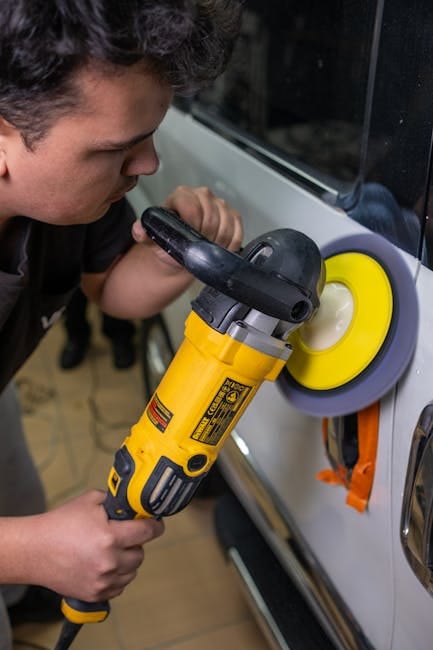
Ceramic coating became the dominant paint protection pitch at new car dealerships starting around 2019. By 2026 it is nearly impossible to buy a new performance car without the finance office trying to sell you a $2,000 ceramic coating package. The claims on most of these packages are impressive. Five years of protection. Self-healing scratches. Immunity to water spots. A glass-smooth finish that never fades. Most of these claims are partially true in a very narrow sense and mostly false in the way a normal car owner experiences them. The truth about ceramic coating is more nuanced than either the marketing hype or the online skeptics will tell you.
I have ceramic-coated four of my own cars over the past seven years. I have watched friends ceramic-coat their cars. I have paid for both DIY application and professional application. The result of all this experience is a reasonably clear view of what ceramic coating actually does, what it does not do, and when paying for it makes sense.
What Ceramic Coating Actually Is
Ceramic coating is a liquid polymer that bonds chemically with the clear coat of your car. The polymer is typically silicon dioxide based (hence the "ceramic" branding) with various proprietary additives that affect durability, gloss, and application characteristics. When properly applied, the coating forms a thin, transparent layer that sits on top of the clear coat and provides a semi-permanent sacrificial barrier.
The difference between ceramic coating and wax is primarily durability and hardness. Carnauba wax lasts 6 to 8 weeks and provides minimal scratch resistance. A synthetic sealant lasts 3 to 6 months and provides slightly better scratch resistance. A consumer-grade ceramic coating lasts 1 to 3 years and provides moderate scratch resistance. A professional-grade ceramic coating lasts 3 to 7 years and provides the highest level of scratch resistance available from this technology.
The hardness ratings you see on marketing materials (9H, 10H) refer to pencil hardness scale, which is how the coating resists scratching under specific pencil grades. A 9H rating means the coating resists scratching from a 9H pencil, which is a very hard pencil. This tells you something about scratch resistance but does not mean your car is impervious to damage. A 9H coating will still scratch from rocks, brushes, and careless washing. It just scratches less easily than an uncoated surface.
What Ceramic Coating Actually Does
The two effects most noticeable to an owner are the water behavior and the ease of cleaning. A properly ceramic-coated car sheds water dramatically faster than an uncoated car. Rain rolls off in sheets rather than sitting as droplets, which means fewer water spots on the paint after rainstorms. Dirt adheres less tightly, which means washing the car goes faster and requires less scrubbing.
The gloss enhancement is real but subtle. A ceramic-coated car has a slightly deeper, wetter-looking finish than an uncoated car with wax, mostly because of the way the coating fills tiny surface imperfections in the clear coat. This effect is most visible on dark colors, where the improved reflection is noticeable. On white or silver cars the improvement is minimal and often not visible.
Chemical protection is genuine. Bird droppings, tree sap, and industrial fallout can etch into uncoated clear coat within hours if not removed. On a ceramic-coated surface these contaminants sit on top of the coating and are much less likely to cause permanent damage if removed within a reasonable time frame.
UV protection is one of the benefits that actually matches the marketing claims. A good ceramic coating blocks significant UV radiation from reaching the clear coat, slowing oxidation and fading of the finish over time. For cars that sit outside all day in sunny climates, this is a real long-term benefit.
What Ceramic Coating Does Not Do
Scratch resistance is where the marketing diverges most sharply from reality. A ceramic coating does not prevent scratches from rock chips, key scratches, shopping cart contact, or rough wash brushes. It reduces swirl marks during washing to some extent, but careless washing still damages coated surfaces. The difference is that a coated surface often shows less severe scratching for a given impact than an uncoated surface, but all impacts still leave marks.
Stone chips from highway driving are largely unaffected by ceramic coating. The coating is too thin to absorb the kinetic energy of a rock impact. Stone chips will still happen at the same rate on a ceramic-coated car as on an uncoated car.
Self-healing is a feature of some high-end paint protection films, not of ceramic coatings. Marketing that claims ceramic coatings self-heal is misleading. Ceramic coatings do not fill or repair scratches in the clear coat or in themselves.
The 5-to-10-year durability claims are rarely achieved in real-world conditions. Most ceramic coatings lose visible effect (the strong water beading and obvious surface slickness) within 18 to 36 months. The coating may still be present at a chemical level for longer, but the benefits you can see and feel decline steadily from about 12 months onward.
The Cost-Benefit Analysis
A professional ceramic coating on a new car costs $800 to $2,500 depending on the shop, the coating brand, and whether paint correction is included in the package. DIY ceramic coating with consumer products costs $80 to $200 in materials and 4 to 6 hours of your time.
For comparison, a quality synthetic sealant like Collinite 845 costs $20 and provides 3 to 6 months of protection. Four applications per year is roughly $80 in product plus a few hours of work. Over 3 years that is $240 total.
A consumer ceramic coating over 3 years provides roughly equivalent visible benefits to synthetic sealant at a similar total cost, with less frequent application effort. The ceramic coating requires one application every 1 to 2 years versus three to four per year for sealant.
A professional ceramic coating at $1,500 needs to last at least 5 years of visible benefit to break even against synthetic sealant. Most professional coatings do not achieve this in real-world conditions. Which means the premium price for professional ceramic coating is typically buying convenience (less maintenance work) rather than better protection over the long term.
When Professional Coating Makes Sense
For a new car that the owner plans to keep for 5 or more years and that will be parked outside daily, a professional ceramic coating provides real long-term benefit. The combination of UV protection, easier cleaning, and chemical protection adds up to a car that looks newer longer. The $1,500 investment on a $60,000 car is a 2.5 percent premium that may pay back in residual value when selling the car.
For a car that will be garage-kept and washed carefully by the owner, DIY ceramic coating provides 80 percent of the benefit at 10 percent of the cost. The work involved is moderate and the result is good enough for most enthusiasts.
For a lease car that will be returned in 3 years, any ceramic coating is probably not worth the investment. You are paying for protection that benefits the next owner more than you. Simple sealant or occasional wax is sufficient.
For an older used car with existing paint defects and general wear, ceramic coating does not restore the paint. Paint correction is needed first, and only then does coating make sense. Spending $1,500 on ceramic coating on a car with swirl marks just locks in the swirl marks under a shiny coating.
DIY vs Professional Application
The biggest difference between DIY and professional ceramic coating is not the product. The biggest difference is the paint correction that happens before the coating. A professional shop spends 15 to 30 hours on paint correction before applying the coating, while most DIY owners skip this step or do a less thorough version. The final result looks dramatically different because the paint underneath the coating is in different condition.
If you are willing to do the full paint correction and coating application yourself, you can match professional results at a fraction of the cost. This takes a weekend of focused work and requires the correct tools and products. If you are not willing to do the paint correction, a professional application is the better choice because the paint preparation is what you are really paying for.
The DIY learning curve for ceramic coating application is moderate. The first application on your first car usually has one or two visible imperfections where the coating was not buffed quickly enough or was missed entirely. These are recoverable with light polishing. By your second car, the process becomes routine.
My Actual Recommendation
For most people buying a new car, I recommend against the dealer's ceramic coating package. The markup is too high and the quality of application is often not better than what you could do yourself. If you want professional coating, go to a detailing specialist, not the dealership's in-house detail shop.
For enthusiast owners who care about their cars and are willing to learn detailing, DIY ceramic coating is the right answer. Budget a weekend for a full detail with paint correction and coating application. The result is a car that looks significantly better than a factory detail at a fraction of the cost.
For cars that will be used hard (track days, winter road driving, extended outdoor parking), the combination of a quality ceramic coating plus paint protection film on high-impact areas (hood, fender leading edges, side mirrors) is the best solution. This is expensive but provides real protection where it matters most.
Ceramic coating is worth it when applied to the right car by a competent detailer (professional or enthusiast) with proper expectations. It is not magic. It is a useful tool that makes ownership slightly easier and protection slightly better. Understanding what it actually does, rather than what the marketing claims, is the key to making a good decision about whether to invest in it for your specific car.