Coilover Suspension: When to Upgrade and Which Brand
A coilover upgrade on a performance car transforms it into a precise instrument. A coilover on a daily driver often makes it worse. Here is the honest breakdown.
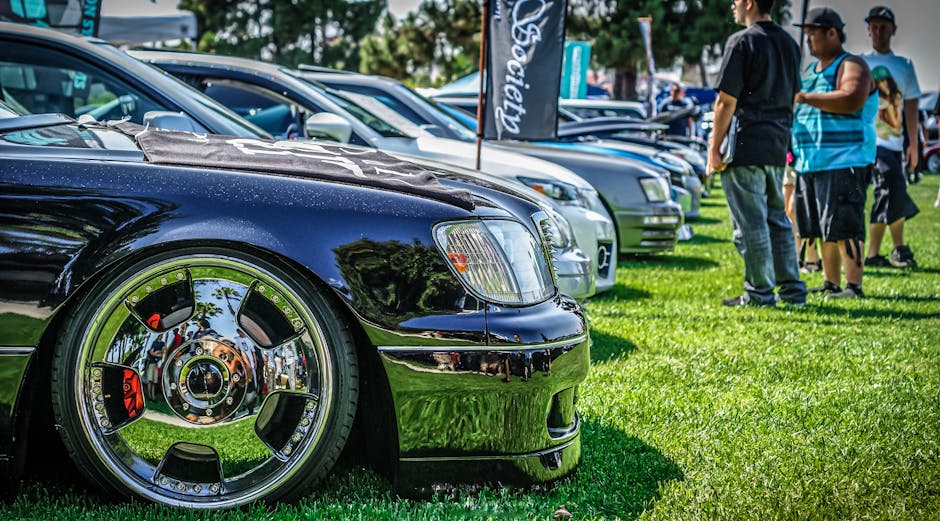
A coilover suspension upgrade is the modification that separates enthusiast cars from daily drivers. A good coilover setup transforms a car's handling in ways that almost no other single modification can. Steering becomes more precise. Body roll disappears. Weight transfer happens in milliseconds instead of at the slow pace the factory suspension was designed for. The tradeoff is a firmer ride, more road noise, and $1,800 to $4,500 out of pocket for the parts alone. Deciding whether coilovers are worth it on your specific car is one of the most consequential modification decisions you will make, and the industry marketing does a poor job of helping buyers make the right call.
I have installed coilovers on three different cars over the past decade. Two of those installations were genuine improvements that made the cars more enjoyable to drive. One was a mistake that I eventually reversed because the coilovers ruined the car for the way I actually used it. Understanding which of these outcomes you will have requires thinking carefully about what coilovers actually do and whether your car and your driving style match what they are good at.
What Coilovers Actually Change
The factory suspension on most cars consists of springs and shock absorbers that are separate components, with the springs inside dampers that each have a specific rate and each operate independently. Coilovers combine the spring and damper into a single adjustable unit that allows ride height, spring rate, and sometimes damping rate to all be tuned by the installer.
The most important change coilovers provide is ride height adjustment. Lowering a car's ride height by 0.5 to 1.5 inches reduces the center of gravity and allows the suspension to operate within a more ideal range of motion. Less body roll, better weight transfer, more precise steering response. This is the primary reason enthusiasts install coilovers.
Second is spring rate change. Factory springs are tuned as a compromise between ride comfort, handling, and load-carrying capacity. Aftermarket coilover springs are typically 40 to 80 percent stiffer than factory, which reduces body movement during cornering and hard braking. The tradeoff is a less comfortable ride on bad pavement.
Third is damping adjustment. Premium coilovers offer adjustable compression and rebound damping, which lets the installer tune the car's response to bumps and load changes. This adjustability is genuinely valuable for track use and fine-tuning, but it is also a common source of misconfiguration for owners who do not understand what damping adjustments actually do.
When Coilovers Make Sense
On a track-oriented car that sees regular track days or autocross events, coilovers are a significant upgrade. The combination of stiffer springs, adjustable damping, and lower ride height all contribute to faster lap times and more predictable handling at the limit. The stiff ride compromises become acceptable when the car is being used for its intended purpose.
On a spirited street car where the owner cares more about handling precision than daily comfort, coilovers transform the driving experience on back roads. The car feels more connected, the steering is more communicative, and cornering feels more balanced. If you drive canyon roads on weekends or take your car to track events occasionally, coilovers are the single biggest handling upgrade you can make.
On a car that has been heavily modified in other ways (power upgrades, stickier tires, bigger brakes), the factory suspension often becomes the limiting factor in how the car drives. Coilovers bring the suspension up to match the rest of the modifications and let the car actually deliver the performance the other components are capable of.
When Coilovers Are a Mistake
On a daily driver that is primarily used for commuting and errands, coilovers usually make the car worse for its primary purpose. The stiffer ride fatigues you on long drives. The lower ride height makes speed bumps, driveway entrances, and parking curbs genuinely problematic. The firmer dampers transmit more road noise into the cabin.
On a car that the owner plans to sell within a few years, coilovers reduce resale value more than they add. Most mainstream buyers view modified suspension as a negative, not a positive, and will discount the car accordingly.
On a car in a region with bad roads, coilovers can accelerate wear on other suspension components and on the car's body itself. The firmer suspension transmits more impact energy into the chassis, which can cause cracking of weld points, loosening of bolts, and premature wear of bushings and mounts.
On a car where the owner does not have the knowledge or the resources to get a proper alignment after installation, coilovers are a waste of money. Lowering a car changes the suspension geometry in ways that require alignment adjustment. Running a lowered car on factory alignment settings causes rapid tire wear and actually worsens handling. Good alignment on a lowered car costs $150 to $300 at a shop with proper equipment.
Brands That Actually Deliver
The coilover market is full of products across a wide range of quality and price. Understanding which brands deliver what they promise saves money and prevents disappointment.
Ohlins Road & Track coilovers are the gold standard for street-and-light-track use on most applications. Prices run $2,500 to $4,000 for typical applications. The damping calibration is exceptional, the ride quality retains comfort while adding control, and the long-term durability is excellent. If budget allows, Ohlins is the enthusiast choice.
KW Variant 3 and Clubsport coilovers occupy the premium tier alongside Ohlins. The Variant 3 is the street-oriented option with compression and rebound adjustability. The Clubsport is the track-oriented option with more aggressive spring rates and damping. Prices are $2,200 to $3,500 depending on application.
Bilstein B16 coilovers offer premium quality at a mid-range price, typically $1,500 to $2,200 for most applications. The calibration is conservative and delivers good handling with retained daily comfort. These are the coilovers I recommend for most enthusiasts on a moderate budget.
H&R Streetperformance coilovers are a budget-friendly option at $1,200 to $1,700 for most cars. Quality is good but damping adjustment is limited and the spring rates tend toward the firm end. Appropriate for street cars with aggressive driving but not ideal for track use.
BC Racing BR series coilovers are the common budget option at $900 to $1,300. Quality is mixed, with some owners reporting good long-term performance and others reporting rapid seal failures or damping degradation. Buy these if budget is the primary constraint but understand the reliability risk.
Brands to avoid include most generic eBay coilovers in the $400 to $700 range. These often use cheap dampers that wear out quickly, springs that sag prematurely, and designs that were not engineered for the specific car they are sold for. The savings versus mid-range brands are not worth the reliability problems.
Installation Considerations
Coilover installation on most cars is a 4 to 8-hour job for an experienced home mechanic with proper tools, or a $400 to $700 shop install. The tools needed include basic hand tools, a floor jack and jack stands, a spring compressor for some applications, and specialized sockets for strut mount nuts.
The installation itself is mechanically straightforward but physically demanding. Suspension components on a modern car are heavy, often seized with rust, and require substantial force to remove. Plan for the job to take longer than you expect, have penetrating oil available, and be prepared to break at least one bolt that has to be drilled out and replaced.
After installation, the car needs a proper corner-balance setup and alignment. Corner balancing is the process of adjusting each individual coilover to equalize weight distribution across all four corners, which improves handling significantly. Not every alignment shop does corner balancing, so find one that specializes in track and performance cars before the install.
The break-in period for new coilovers is typically 500 to 1,000 miles, during which the springs and dampers settle into their working state. Ride height can drop 0.25 to 0.5 inches during break-in, so do not set final ride height until you have driven the car for this period. Re-check alignment after break-in to make sure the settings are still correct.
The Daily-Driver Compromise That Works
If you want improved handling on a daily driver but do not want the harsh ride of true coilovers, a lowering spring and upgraded damper combination is a better compromise. Eibach Pro-Kit or H&R Sport springs combined with Bilstein B8 or Koni STR.T dampers produce 60 percent of the coilover benefit with 20 percent of the ride harshness penalty.
The spring-and-damper approach costs $800 to $1,200 total and preserves factory ride height adjustment range, while still lowering the car by about 1 inch. For most daily drivers who want better handling without ruining the car's commuter qualities, this is the right compromise.
Full coilovers make sense when you want the adjustability, when you plan to track the car, or when you plan to change the ride height for specific use cases (track lower, street taller). For static daily-driver use, springs and dampers are usually the smarter spend.
The Honest Bottom Line
Coilovers are a transformative modification on the right car with the right owner. They are also a surprisingly common regret purchase for owners who did not think through how they actually use their car day-to-day.
Before spending $2,500 on coilovers, drive your current car through a typical week of your normal driving. Note where the road quality hurts your comfort, where you hit bumps or dips, where you have to slow down for poor pavement. If any of these situations are frequent, coilovers will make your daily driving worse even while they make your spirited driving better.
If your routes are mostly smooth pavement, if you drive the car primarily for enjoyment rather than transportation, and if you have the budget for both the coilovers and a proper alignment, this modification will deliver exactly what the marketing promises. If those conditions are not met, reconsider whether this is the right modification for your car and your life.