Cold Air Intake: Real Benefit or Placebo?
A cold air intake on most modern cars produces 5 hp at peak and negative gains at low rpm. The real benefit is sound. The real cost is often more than marketing suggests.
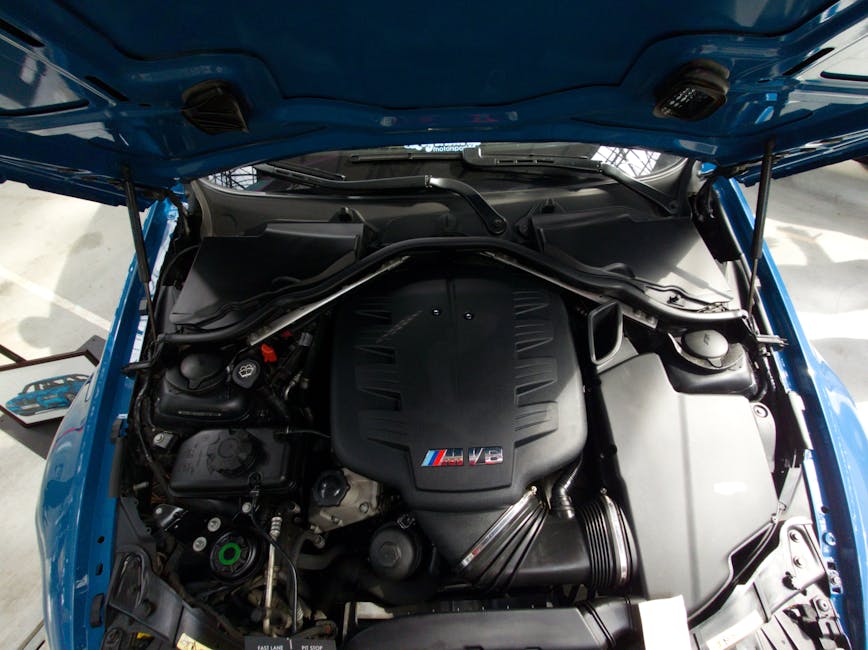
I installed a cold air intake on a 2019 Mustang GT in my driveway in 2020. The manufacturer claimed 15 hp gain, improved throttle response, and better fuel economy. I paid $380 for the kit, spent two hours installing it, then drove the car to a local dyno to see what actually happened. The result was 4.3 hp increase at peak, a small loss at midrange, and no meaningful change in fuel economy. The sound was dramatically different, louder and with more induction noise, which made the car feel faster even though it barely was. This is the cold air intake experience for most modern cars in 2026, and understanding why the marketing does not match the reality is useful before you spend the money.
Cold air intakes are the most commonly purchased modification in the enthusiast market and, in most applications, the least cost-effective. That is not an opinion but rather a pretty consistent finding across independent dyno testing for the past two decades. The question is why these intakes remain so popular, and when they actually do provide meaningful gains.
What Cold Air Intakes Actually Do
A cold air intake replaces the factory intake system with an aftermarket version that is typically higher-flowing and draws air from a cooler location. The theory is simple. Cooler air is denser, denser air burns more fuel, more fuel produces more power. Additionally, a less-restrictive intake allows more airflow at high rpm when the engine is trying to consume the maximum amount of air possible.
The problem is that modern factory intakes are already very well-designed. Factory intakes pull air from outside the engine bay at the front of the car. Factory intake filters flow more than the engine can consume except at very high rpm. Factory intake tubes are sized correctly for the engine's volumetric needs. The engineering teams at Ford, GM, BMW, and Audi are aware that enthusiasts want performance and are designing intakes that perform well at the horsepower levels the car is marketed at.
The small restrictions that do exist in factory intakes are usually there for noise suppression, not for airflow limitation. Removing those restrictions produces a louder intake sound without producing a meaningful airflow improvement. This is why cold air intakes almost always sound dramatically better than factory intakes even when they produce minimal power gains. The sound change is real, the power change is usually minimal.
The Dyno Reality Check
Independent dyno testing of cold air intakes on modern cars has been done thousands of times by shops, enthusiasts, and publications. The results are fairly consistent across most platforms.
On naturally aspirated V8 engines like the Mustang GT 5.0 Coyote, the Camaro SS 6.2 LT1, and the Corvette LT1 V8, cold air intakes typically produce 3 to 8 hp at peak rpm with no meaningful change in midrange. The cost per horsepower works out to $50 to $130 per horsepower, which is not competitive with other modifications.
On turbocharged engines, the results are different because the intake is already pressurized and the turbo can pull through restrictions that would matter on a naturally aspirated engine. Cold air intakes on the Volkswagen 2.0 TSI, Ford 2.3 EcoBoost, and BMW N55 inline-six produce 5 to 12 hp at peak with most of the gain coming at the top of the power band. The intake is more cost-effective on turbo cars but still not the most efficient dollar spent on horsepower.
On high-revving Japanese engines like the Honda K20 and the Toyota 2ZZ, cold air intakes sometimes produce more meaningful gains because these engines rely heavily on airflow at very high rpm. A K20 with a good cold air intake can see 10 to 15 hp gain at 7,500 rpm, which is more meaningful than the 3 to 5 hp gain at 6,000 rpm that more common applications see.
On diesel engines, cold air intakes are generally a waste of money. Diesel engines are not airflow-limited in the same way gasoline engines are, and the gains from aftermarket intakes are typically 2 to 4 hp on heavily modified applications.
The Supporting Hardware Issue
The most important truth about cold air intakes is that they only produce meaningful gains when the rest of the engine's air path also supports the additional flow. A cold air intake on a stock car is limited by the throttle body, the intake manifold, and the exhaust system. The intake can only flow as much air as the downstream components can use.
When a cold air intake is installed as part of a comprehensive package that includes intake manifold changes, throttle body upgrades, and exhaust upgrades, the cumulative gain can be significant. The intake alone contributes a small fraction, but as part of a full bolt-on package it helps.
This is why tuner claims of 15 to 20 hp gains from a cold air intake are sometimes technically true but misleading. Those numbers come from a fully bolt-on-modified car where removing the intake alone costs 15 hp. On a stock car, that same intake adds 4 to 6 hp because the rest of the air path is still the bottleneck.
The Sound Factor
The sound change from a cold air intake is real and consistent across most platforms. Removing the factory airbox exposes more of the intake noise that the factory was suppressing. Adding an aftermarket filter with a conical design amplifies this noise. The result is a more aggressive induction sound that some people love and others find annoying.
On V8 engines, the intake sound becomes more prominent and adds to the overall driving experience. On turbocharged engines, the intake sound often includes more turbo whistle and blow-off valve noise, which enthusiasts generally like. On four-cylinder naturally aspirated engines, the intake sound becomes more buzzy and less pleasant, particularly at part throttle.
If the sound change is what you want from a cold air intake, that is a legitimate reason to install one. Just be clear that sound is what you are actually buying, not horsepower. A $380 intake that produces 4 hp is not a bargain for the power but might be worth it for the sound you get at the same time.
Heat Soak Is a Real Problem
Many cold air intakes remove the factory airbox without providing equivalent heat isolation. This means the filter is now sitting in the engine bay exposed to engine heat, and intake air temperatures rise significantly when the engine is idling or moving slowly.
When intake air temperatures rise, the engine's ECU pulls ignition timing to prevent knock, which reduces power output. A poorly-designed cold air intake can actually produce less power than the factory intake when the engine is heat-soaked, because hot air is less dense and the ECU is compensating by running the engine less aggressively.
Good cold air intakes include a heat shield around the filter or route the intake tube to draw from outside the engine bay. These designs are more expensive ($500 to $700 instead of $300 to $400) but they actually deliver on the "cold air" promise. Cheap intakes that just bolt a filter onto a tube without heat isolation often hurt performance in real-world driving conditions.
When Cold Air Intakes Actually Make Sense
On heavily modified cars where every other component has been upgraded, a cold air intake is the missing piece that allows the rest of the modifications to work properly. A tuned, exhaust-upgraded, intake manifold-modified car benefits from a matching cold air intake in ways a stock car does not.
On cars where the factory intake has an obvious restriction or design flaw, aftermarket intakes address a real problem. The Ford Focus RS and Mustang EcoBoost both had factory intakes that were noticeably restrictive, and aftermarket intakes for these cars produce more meaningful gains than typical.
On cars where the enthusiast wants the sound and understands they are paying for sound rather than power, cold air intakes deliver on the sound promise consistently. This is a fair trade if you know what you are buying.
What to Spend Money on Instead
If your goal is actual horsepower gains, skip the cold air intake and spend the money elsewhere. On a turbocharged car, a good tune produces 10 to 20 times the horsepower gain of a cold air intake for similar total cost. On a naturally aspirated car, a proper exhaust system with a cat-back replacement can produce 8 to 15 hp of real gain for similar cost to a cold air intake.
If your goal is overall car feel, suspension upgrades and tires matter more than intakes. A set of summer performance tires and proper shocks will make the car feel dramatically faster and more engaging than a cold air intake ever will.
If your goal is track performance, brake upgrades matter more than intakes. Better pads, fresh brake fluid, and proper rotors will let you run harder without fade, which effectively makes the car faster around a track even though no horsepower was added.
The Intakes That Are Actually Worth Buying
For buyers who want a cold air intake anyway, certain brands deliver better results than others. K&N intakes are the most common and produce average results with above-average sound. AFE Power intakes generally deliver slightly better gains and include better heat isolation. Volant intakes are higher-end with excellent sealing and heat shield design. APR intakes for VAG platforms are engineered to work with APR tunes and generally produce the best results on those platforms when paired with the rest of APR's bolt-ons.
The cheapest cold air intakes ($100 to $150 Chinese-manufactured kits on eBay) are genuinely bad. They often use filters that flow poorly despite marketing claims, have tubing that is not shaped correctly for the engine, and include no heat isolation. These are the ones that produce worse performance than stock in real-world conditions.
If you want a cold air intake, budget at least $350 for a quality unit and verify that the specific intake has been dyno-tested on your specific engine. Generic "universal" cold air intakes almost never produce meaningful gains because they are not tuned to the specific car's needs. Spend the extra money on a platform-specific design or skip the modification entirely.