Drag Radials vs Street Tires: When They Matter
Drag radials work great at the strip and terribly on the street. The tradeoffs are bigger than new drivers realize.
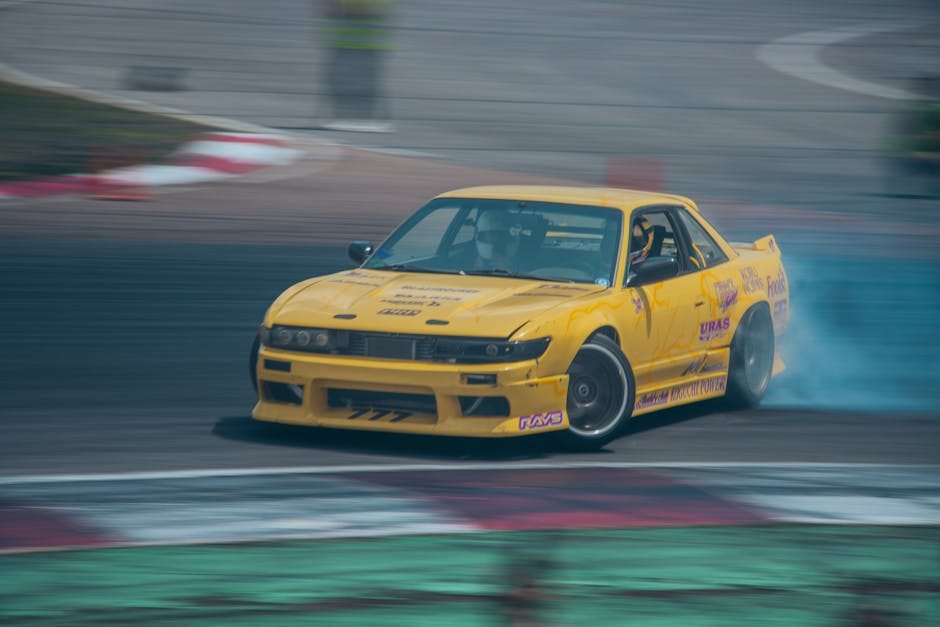
A set of drag radials will drop half a second off your quarter-mile time on a 500 horsepower car. For comparison, most bolt-on performance modifications drop 0.1 to 0.2 seconds off the same time. Drag radials are the single most effective performance modification you can make for straight-line acceleration, and they cost less than most of the alternatives. The catch is that drag radials are miserable on the street, fatal in the rain, and burn through their life in 3,000 to 5,000 miles of daily driving. This is a real tradeoff that most enthusiasts who buy drag radials do not fully think through.
I have owned drag radials twice in my life, both on a Mustang GT, and both times I ended up going back to summer performance tires within a season because the daily-driving compromises outweighed the track benefits for my usage. A friend of mine runs drag radials on a dedicated drag car that only gets driven to and from the track, and for him they are essential. Your situation determines which side of this decision you land on, and the information to make the right call is not well documented in typical forum advice.
What Drag Radials Actually Are
A drag radial is a DOT-approved street tire with a rubber compound, construction, and tread pattern specifically designed for maximum straight-line traction under hard acceleration. The compound is much softer than a normal summer tire, typically in the 100 to 200 treadwear rating range. The construction uses softer sidewalls and more flexible sidewall plies to allow the tire to "wrinkle" on launch, which plants more contact patch onto the pavement in the first 60 feet of acceleration.
Common drag radials in the enthusiast market include the Mickey Thompson ET Street S/S, the Nitto NT05R, the Toyo Proxes R888R, and the Hoosier DR2. Each has slightly different characteristics, but they all share the basic principle of trading street performance for launch traction.
The tread pattern on a drag radial is minimal. Most have three or four grooves running down the length of the tire and very little cross-tread. This is intentional because dry traction comes from rubber touching pavement, and tread blocks reduce contact area. The problem is that minimal tread also means minimal water evacuation, which is why drag radials are genuinely dangerous in wet conditions.
The Performance Benefit on a Drag Strip
On a properly prepared drag strip, with a glued track surface and appropriate tire temperature, a good set of drag radials can reduce quarter-mile times by 0.3 to 0.7 seconds compared to summer performance tires on the same car. The improvement is greatest on high-powered cars that have more power than their street tires can put down, and smallest on lower-powered cars that can already get good traction from grippy street tires.
On a 500 hp Mustang GT, drag radials typically run 11.8 to 12.2 second quarter miles from 12.5 to 13.0 second times on summer tires. On a 650 hp Shelby GT500, drag radials are genuinely transformative, dropping times from 11.0 second range to 10.5 second range. On a 400 hp Mustang EcoBoost, the difference is only 0.2 seconds because the car cannot spin the summer tires enough for drag radials to help dramatically.
The benefit is greatest off the line. Sixty-foot times (the first 60 feet of the quarter-mile) go from 1.8 seconds on summer tires to 1.5 seconds on drag radials. This is where most of the total time improvement happens. Once the car is moving at higher speeds, the drag radial advantage is smaller because traction requirements are lower.
What Drag Radials Do on the Street
Wet weather performance is the first problem. Drag radials hydroplane at low speeds. A car on drag radials in rain is a car that will not stop or steer predictably. On a 35 mph road with standing water, drag radials can cause the car to slide sideways under normal braking. This is not theoretical, it is documented repeatedly by enthusiasts who learned the hard way. Never drive on drag radials in the rain, period.
Dry pavement handling in corners is also degraded. The soft sidewalls that help on launch make the tire squirm in hard cornering. Turn-in is slower, the tire responds to steering inputs with a noticeable delay, and the outside edge of the tire rolls over more than a proper summer tire would. A car that handles well on summer tires becomes a car that handles poorly on drag radials.
Tire life on the street is minimal. The soft compound that makes the tire fast at launch also means the tire wears out in normal driving. Expect 3,000 to 7,000 miles of street life depending on how carefully you drive. Compare that to 15,000 to 25,000 miles for a summer performance tire and the cost-per-mile gets significantly worse.
Road noise on drag radials is substantial. The soft compound and minimal tread pattern mean that even at 40 mph the tires produce a noticeable hum. At 70 mph highway speed the noise is loud enough to make conversation difficult on some cars.
Cold performance is poor. Below 50 degrees Fahrenheit, drag radials lose grip rapidly. The compound gets hard and the tire behaves like winter tires on ice, even on dry pavement. If you live in a climate with cold mornings, drag radials are essentially summer-only.
The Configuration Options
The traditional drag radial setup is a rear-only install on a rear-wheel-drive car. Drag radials in the rear, standard summer tires or all-season tires in the front. This is the minimum cost approach, typically $600 to $900 for rear drag radials from popular brands. It gets you most of the launch benefit without the full front-tire performance hit.
The disadvantage of rear-only drag radials is that the front and rear tires have different grip levels, which makes the car less predictable in emergency maneuvers. For drag-strip-only driving this does not matter. For any street use, it matters.
Full set drag radials is the committed approach. Costs $1,200 to $1,800 for all four tires. This is appropriate for cars that are driven only between the garage and the drag strip, never in the rain, and never in cold weather. For a dedicated drag car on a trailer, this is the right setup.
Dedicated drag wheels with drag radials mounted, swapped at the track, is the professional approach. This requires a second set of wheels and tires (typically $2,000 to $3,000 in investment) plus the time and effort to swap wheels at the strip. For serious racers who go to the strip frequently, this is the ideal setup because the street manners of the car are preserved.
The Cars That Need Drag Radials Most
High-horsepower rear-drive American muscle cars are the primary market for drag radials. The Mustang GT with 450 hp, the Camaro SS with 455 hp, the Challenger R/T with 375 hp, and the Challenger Hellcat variants from 717 to 807 hp all benefit significantly from drag radial setup because they have more power than summer tires can put down in a launch situation.
Supercharged or turbocharged Corvettes (C5 Z06, C6 ZR1, C7 Z06, C8 Z06) are similar cases. The combination of high power and rear drive means drag radials provide obvious launch improvements.
All-wheel-drive cars like the Nissan GT-R, Subaru WRX STI, Audi R8, and Lamborghini Huracan benefit less from drag radials because their AWD systems already help manage traction. The improvement on AWD cars is typically 0.1 to 0.2 seconds versus 0.4 to 0.7 seconds on rear-drive cars of similar power.
Front-wheel-drive cars benefit the least from drag radials, and many enthusiasts argue the tradeoffs are not worth it at all for FWD applications. The Honda Civic Type R, Volkswagen Golf R, and Ford Focus RS all launch better on good summer tires than on most drag radials, because the soft drag radial sidewalls hurt the launch grip on front-drive application.
When Drag Radials Do Not Make Sense
If you drive the car daily and live in a climate with any rainfall or any cold weather, drag radials are a bad call. The compromises outweigh the benefits and you will hate the car on the street.
If you do not go to the drag strip at least four or five times a year, drag radials are wasted on you. A set that only gets one or two runs per year is essentially decorative.
If you also want the car to handle well in corners, drag radials are the wrong tire. A good summer performance tire will be faster on a road course, and on many backroads too.
If your car is a leased vehicle or will be sold in the near term, drag radials reduce resale value and may void certain warranty items related to drivetrain stress from repeated launch control use.
My Actual Recommendation
For a serious drag racer who goes to the strip weekly or monthly, a dedicated set of drag wheels with drag radials is the right answer. The car stays on summer tires for street use, and you swap wheels at the track. This preserves street manners and gives you the full drag benefit at events.
For a casual enthusiast who goes to the drag strip two or three times a year, drag radials are not worth it. A good set of 200-treadwear summer performance tires like the Michelin Pilot Sport 4S will give you 90 percent of the launch benefit while being a better street tire in every other respect.
For someone with a dedicated garage queen that only goes to the strip, full drag radial setup is fine. This is a small percentage of enthusiasts but the right answer when it applies.
The honest answer for most readers of this article is that drag radials are a specialized tire for a specialized use case, and trying to run them as street tires is the category mistake. If you want faster quarter-mile times on your daily driver, get better shocks, a rear anti-sway bar, and practice your launch technique. These changes cost less than a set of drag radials and they improve every aspect of the car, not just straight-line acceleration.