Your First EV Road Trip in Summer 2026: The Charging Rules That Separate a Smooth Drive From a Stranded One
The first long EV trip converts men for life or sends them shopping for a hybrid. Plan legs at 70% range, charge to 80, use the Tesla network, and check PlugShare before every stop.
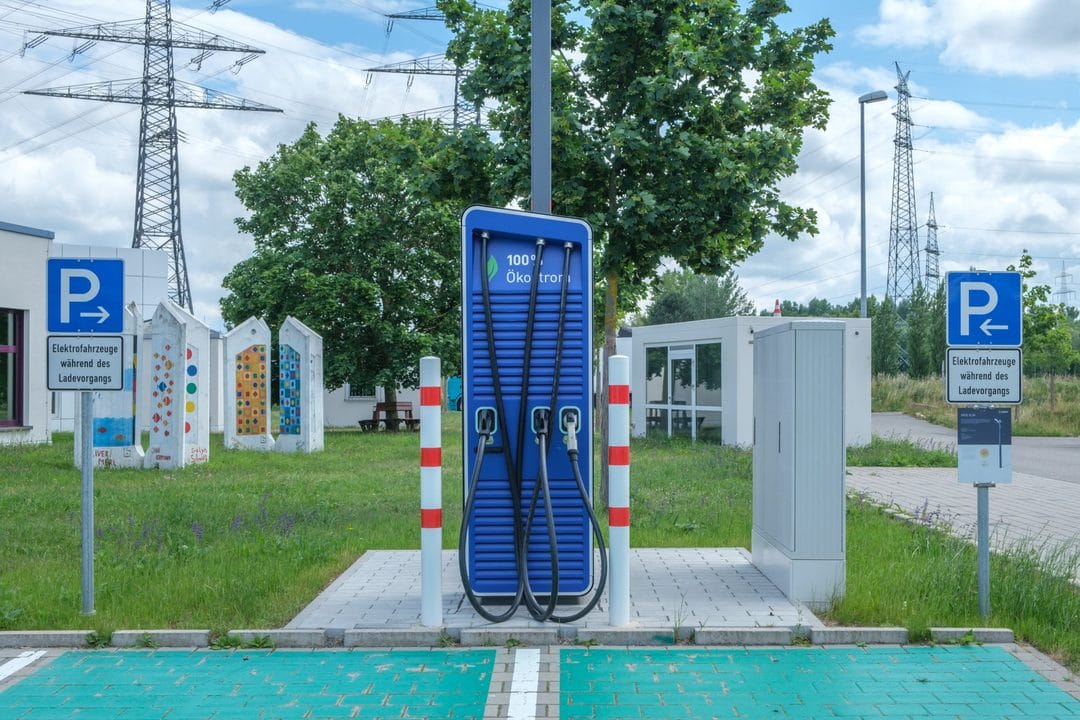
The first long road trip in an EV is where the marketing meets the interstate, and a lot of men come home either converted for life or quietly shopping for a hybrid. The difference almost always comes down to one thing: whether they planned the charging like an adult or assumed it would work out like a gas trip. It doesn't work out like a gas trip. It works fine — often genuinely better — but only if you understand what you're actually dealing with before you're 200 miles from home with 12 percent battery and a dead charger in front of you.
The range number on the window sticker is a lie you tell yourself
Your EV's rated range is measured under conditions you will never replicate on a summer highway. Run 75 mph with the air conditioning fighting 95-degree heat, a roof box adding drag, and the car loaded with a family and luggage, and a 300-mile rating becomes a real-world 220 or less. Heat is gentler on range than winter cold, but highway speed is the killer — aerodynamic drag climbs sharply past 65 mph, and that's where road trips live.
Plan every leg on about 70 percent of the rated range and you'll never get caught. The men who get stranded are almost always the ones who trusted the dashboard estimate, which recalculates optimistically based on the gentle driving you were doing before you merged onto the interstate.
Charge to 80, not 100, and your trip gets faster
This is the counterintuitive part that separates a smooth EV trip from a miserable one. DC fast charging slows dramatically once the battery passes about 80 percent — the last 20 percent can take as long as the first 80. On a road trip, charging to 100 percent at a fast charger is almost always a mistake. You sit there twice as long for range you'd have recovered faster at the next stop.
The right rhythm is short, frequent top-ups: pull in around 15 percent, charge to 80, drive on. It feels wrong to the gas-station brain that wants a full tank, but it's how you actually cover ground quickly. Two 20-minute stops beat one 50-minute one, and they line up neatly with the bathroom-and-coffee breaks a long drive needs anyway.
The Tesla network changed the math for everyone
The single biggest practical shift for 2026 is that most non-Tesla EVs can now use the Tesla Supercharger network with an adapter, and it's the most reliable charging in North America by a wide margin. If your car supports it, this is the difference between a relaxed trip and a stressful one. The third-party networks — Electrify America, EVgo — have improved, but reliability is still a coin flip at some sites, and there's nothing worse than rolling up to a bank of chargers where two are broken and the rest are occupied.
The apps that actually matter
Plan the route in A Better Routeplanner before you leave, not on the fly. It accounts for your specific car, the elevation, the temperature, and even a headwind, and it tells you exactly where to stop and for how long. Use PlugShare to read recent check-ins at each station — a charger that worked yesterday tells you more than the network's own status page, which lies constantly. Five minutes of planning the night before prevents the one scenario that ruins EV trips: arriving somewhere with no working charger and not enough range to reach the next one.
The honest caveat worth saying plainly: if your trip involves rural stretches of the Mountain West or northern Maine, the charging map still has real holes, and a road-trip-heavy summer might genuinely be a case where a plug-in hybrid is the smarter tool. EVs have gotten very good at the corridors between cities. They're still patchy off the main routes, and pretending otherwise is how enthusiasts oversell the experience to guys who then get burned.
What the first trip should look like
Pick a route on a well-covered corridor for your maiden voyage, not a backcountry adventure. Plan legs at 70 percent of rated range, charge in short bursts to 80 percent, use the Tesla network if your car can, and check PlugShare before every stop. Do that and the trip is genuinely more pleasant than a gas drive — quieter, cheaper, and the forced 20-minute breaks leave you less wrecked at the other end. Skip the planning and trust the dashboard, and you'll be the guy writing an angry review about how EVs aren't ready, when really it was the trip that wasn't ready.