Why Manual Transmissions Are Quietly Dying in 2026: The Last Cars You Can Still Buy with Three Pedals
Fewer than 1% of 2026 new cars will have a manual. Here are the 19 you can still buy - and why several of them are last-of-line.
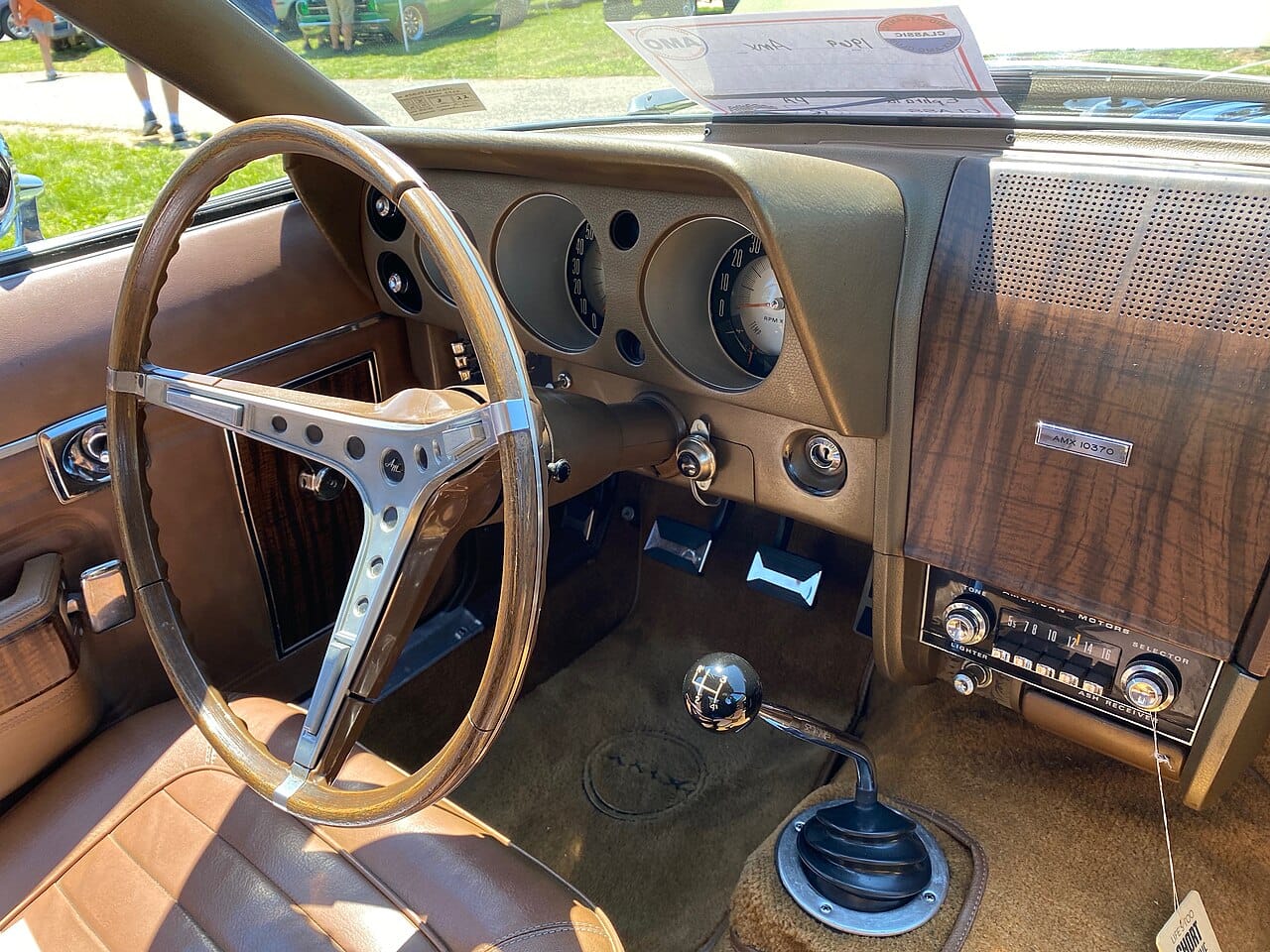
The 2026 model year is the inflection point. For the first time in modern automotive history, fewer than one percent of new cars sold in the United States will leave the dealer lot with a manual transmission. The number was 47 percent in 1980, 9 percent in 2006, 2.4 percent in 2020, 1.7 percent in 2023, and now 0.9 percent in projected 2026 figures from the Bureau of Transportation Statistics.
This is not a temporary dip. It is the end of the road. The number of new vehicles available with a manual transmission has shrunk to 19 in the 2026 model year, down from 31 in 2020 and 65 in 2010. Several of those 19 are last-of-line announcements. By 2030, the universe of new manual cars in the United States is projected to fit on a dealer lot.
What Killed the Manual
Three forces converged. The first was the dual-clutch transmission. Modern dual-clutches shift faster than a human can - the Porsche PDK can complete a shift in roughly 100 milliseconds, where a skilled driver with a manual takes 250 to 400. On a track, the manual lost the performance argument a decade ago.
The second was the torque converter automatic. Modern 8, 9, and 10-speed automatics from ZF, Aisin, and GM are smarter, smoother, more fuel efficient, and considerably more reliable than the slushboxes of the 1990s. The 0-60 numbers for almost every performance car are now faster with the automatic. The fuel economy is better. The maintenance cost is comparable.
The third, and the largest, was electrification. EVs do not have transmissions. The single-speed reduction gear in a Tesla, Lucid, or Porsche Taycan eliminates the question entirely. As EV share rose from 1 percent of US sales in 2018 to over 12 percent in 2025, the entire transmission discussion shrank.
The Numbers
- 0.9% - manual share of US new car sales, 2026 projection
- 19 - new car models available with manual transmission, 2026
- 3 - number of automakers selling more than 5 manual models (Porsche, Toyota/Subaru, Mazda)
- 65 - manual models available in 2010
- 0 - manual EVs on the US market
The 19 - The Cars You Can Still Buy with Three Pedals
The 2026 manual list, organized by category:
Sports Cars
- Porsche 911 Carrera T / GT3 (manual option) - $145,000 to $230,000 depending on trim. The 911 GT3 in 2026 retains the 6-speed manual as a no-cost option, an explicit and increasingly lonely commitment by Porsche to driver involvement.
- Porsche 718 Cayman / Boxster (final year) - $76,000 starting. 2026 is officially the last year for the manual 718 before the platform transitions to fully electric in 2027.
- Toyota GR86 / Subaru BRZ - $30,000 to $35,000. The cheapest legitimate sports car you can buy new with a manual. 2.4-liter, 228 horsepower, perfect chassis balance, and a beautiful short-throw shifter.
- Toyota GR Supra (final year manual) - $54,000. The 6-speed manual added to the Supra in 2023 will end production in late 2026 along with the platform.
- Nissan Z (manual) - $43,000 base. 6-speed manual standard, 9-speed automatic optional.
- Mazda MX-5 Miata - $30,000 base. The benchmark. The 6-speed manual is the only correct choice in a Miata.
Hot Hatches and Sport Sedans
- Honda Civic Type R - $45,000. 315 horsepower, front-wheel drive, 6-speed manual only. Period.
- Honda Civic Si - $30,000. The honest enthusiast bargain. Manual only.
- Toyota GR Corolla - $39,000. AWD, 300 horsepower, 6-speed manual. Bonkers.
- Volkswagen Golf GTI / Golf R (manual final year) - $32,000 / $48,000. VW announced 2026 is the last manual GTI and Golf R for the US market.
- BMW M2 / M3 / M4 (manual) - $66,000 / $79,000 / $82,000. The BMW M division is the largest remaining manual holdout in the German luxury segment.
Trucks and Off-Roaders
- Jeep Wrangler - $32,000 base. 6-speed manual available on all gas engines, not on the 4xe hybrid.
- Toyota Tacoma (limited trims) - $34,000. The manual is available only on the 4-cylinder TRD trims; volume is below 3 percent of Tacoma sales.
- Ford Bronco (limited) - $40,000. 7-speed manual available on the 2.3-liter only. A unicorn on dealer lots.
Track-Day Specials
- Lotus Emira - $99,000. 6-speed manual. The last new sports car platform to launch with a manual as the primary transmission option.
What This Means for Buyers
The financial implication is real. Manual variants of performance cars are starting to command premiums on the used market for the first time since the 1990s. A 2024 BMW M3 with manual now sells for $5,000 to $8,000 more than the dual-clutch automatic equivalent at three years old. The same pattern is appearing for the 911 GT3 manual, the Supra manual, and the GR86 across model years.
If you have always wanted a manual sports car or hot hatch, 2026 is not the year to wait. The Porsche 718 manual ends this year. The Supra manual ends this year. The Golf R manual ends this year. The GR Corolla and Civic Type R have shorter expected lifespans than most enthusiasts assume.
Reasons to Still Drive a Manual in 2026
The performance argument is over. The fuel economy argument is over. The reliability argument is over. The reasons that remain are the only ones that ever really mattered:
- You are more involved with the car. Every gear change is yours.
- You drive more attentively. Phones come out less in a manual.
- You become a better driver. The mechanical sympathy required by a clutch and shifter teaches things about a car that no automatic ever will.
- You enjoy it more. The data on driver enjoyment, where it has been studied, consistently favors manual.
The Coming Decade
The transmission story is now downstream of electrification. Internal combustion is projected to drop to 35 percent of new car sales by 2030 in most major markets. Manual ICE cars within that segment are a single-digit-percentage subcategory of a shrinking category. The 19 cars on today's manual list will be 8 to 10 by 2028 and 3 to 5 by 2030.
Save the manuals, as the bumper sticker said for fifteen years. The window is now genuinely closing. The cars are still here, the prices are still attainable for most of them, and the experience is still the best one available between a road and a steering wheel. There will not be another chance like this.