Detailing for Sale: How to Prep a Car for Private Buyers
A $300 detail typically returns $1,500-1,800 at sale time. Here is how to prep a car to get that return.
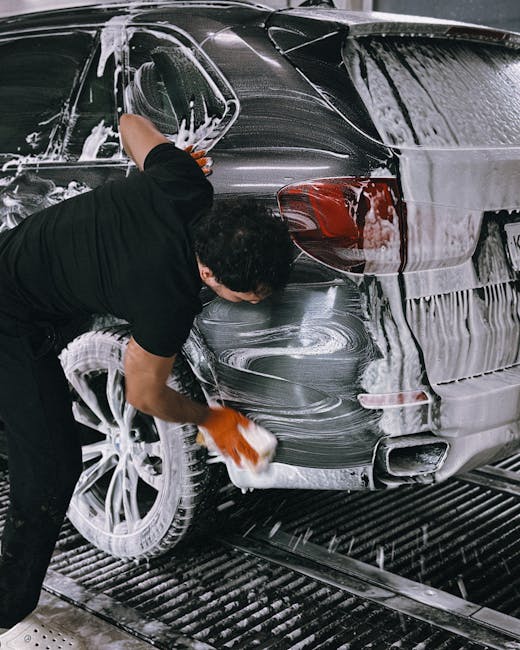
A detailed car sells for an average of $1,800 more than an identical undetailed car. That's real data from a regional dealer I talked to last year who tracks this across his private-party transactions. Spend $200-400 on detailing, get back $1,500-1,800. Few expenditures in the used car world have that kind of return. Despite this, most private sellers list cars that look like they've been driven to work for three years without being cleaned, which is often accurate.
Detailing a car for private sale isn't about making it perfect. It's about making it look cared for. There's a difference. A daily driver that's been cleaned thoroughly looks like someone loved it. A show-ready detail looks like the owner is desperate to move it. You want the first, not the second. Here's what to actually do, and what not to waste your money on.
What matters to buyers
Buyers notice things in a specific order when they approach a used car. Exterior condition first, from 20 feet away. Paint condition matters, but so does washing, so does the absence of obvious scratches, so does clean glass. Then wheels and tires. Then interior when they open the door. Then engine bay when they open the hood. Then trunk when they check cargo.
Detailing priority should follow this order. Spending $150 on interior detailing when the exterior is filthy is backwards. Spending $100 on engine bay cleaning when the paint is oxidized is backwards. Work the eyes' path of a buyer and spend money where they'll see it first.
What actually moves buyers
A buyer who approaches a used car and finds it spotless, waxed, and with clean glass immediately assumes the owner cared about the car. That assumption propagates to beliefs about maintenance ("probably had the oil changed on time"), beliefs about use ("probably didn't beat on it"), and beliefs about value ("this is in better shape than other cars I've seen"). The single act of detailing creates a trust that's hard to build any other way.
Conversely, a buyer who approaches a dirty used car assumes the opposite. Poor appearance correlates to poor maintenance in most buyers' minds, whether or not it's true. You can have all the service records in the world, but if the car looks neglected, the buyer's opening impression is skepticism.
The exterior process
Start with a proper wash, not a drive-through. The automatic car wash leaves swirl marks and doesn't clean well. Hand wash with two buckets: one with soap, one with plain water for rinsing the mitt. This prevents reintroducing dirt to the paint. A good wash mitt costs $15 and works better than a sponge.
Use actual car wash soap, not dish detergent. Car wash soap is pH-balanced and doesn't strip wax. Dish soap strips wax, degrades rubber seals, and leaves the car less protected than before you started.
Clay bar the paint after washing. This removes contamination that washing alone doesn't catch—tree sap, road tar, brake dust embedded in the clear coat, and various environmental contaminants. A $20 clay bar kit from any auto parts store does the whole car in 45 minutes. The difference in how the paint feels after claying is immediately obvious.
Apply wax or sealant. A quality carnauba wax like Meguiar's Ultimate Wax or a synthetic sealant like Sonax Polymer Net Shield provides protection and visible depth. Three coats applied over three days is better than one thick coat all at once. Budget for two coats if you're rushed.
Paint correction decisions
Paint correction means compounding and polishing to remove swirls, light scratches, and oxidation. This is where sellers make mistakes. Full paint correction on a $15,000 used car takes 8-15 hours of work, costs $400-800 if professionally done, and only recovers $400-800 in sale price. It's a break-even proposition.
Light correction or "pre-wax cleaner" products strike a better balance. A one-step compound/polish product like Meguiar's Ultimate Compound takes 2-3 hours for the whole car, costs $15 in supplies, and meaningfully improves appearance without the full investment. For most private sales this is the sweet spot.
Deep scratches that have reached the color coat aren't fixable by polishing. Touch-up paint from the dealer for the specific color, applied carefully with a toothpick, can make a scratch much less noticeable. Done well, this work is invisible from three feet away. Done poorly, it's worse than the original scratch.
Wheels and tires
Wheels matter more than people realize. Buyers notice wheel condition from a significant distance. Clean, shiny wheels with no curb rash look expensive. Dirty wheels with curb rash look cheap regardless of the car's overall condition.
Start with proper wheel cleaning. A non-acid wheel cleaner like Sonax Full Effect or Meguiar's Ultimate All Wheel Cleaner works on all finishes including polished aluminum. Spray on, let dwell 3-5 minutes, agitate with a wheel brush, rinse. Repeat if necessary. Avoid acid-based cleaners unless the wheels are beyond normal cleaning, and don't use acid on painted or polished aluminum.
Tires next. Dress them with a water-based tire dressing that gives a satin finish, not the glossy wet look that screams "rental car being sold." Meguiar's Endurance Tire Gel or Chemical Guys VRP are both reasonable choices. Apply thinly and evenly with an applicator pad. A tire dressed with product that's thick and glossy will sling off onto the car on the first drive and look bad within a week.
Curb rash decisions
Minor curb rash on aluminum wheels is fixable for $75-150 per wheel at a wheel repair shop. If all four wheels are damaged, this is $300-600 to restore them to original appearance. For a car selling under $20,000, this is borderline economic. For a car over $30,000, it's absolutely worth it. A buyer sees four pristine wheels and the whole car looks premium.
Painting wheels with spray paint or plastidip is a mistake unless done perfectly. Buyers see DIY finishes and assume the worst about the rest of the car. A professional wheel refinish from a specialist is different; it looks factory and supports the "cared-for" narrative.
The interior
Vacuum thoroughly. Remove floor mats, vacuum under them, vacuum the mats separately, vacuum the seat tracks, vacuum behind the seats, vacuum the trunk. Compressed air helps with air vents and seat crevices. A shop-vac with a crevice attachment is better than a household vacuum for cars.
Clean all surfaces. Leather gets conditioner (not armor all, something actually designed for leather). Vinyl and plastic get an interior cleaner that doesn't shine. Modern buyers actively dislike the super-glossy dashboard look because it reads as "dealer trying to hide something." A matte clean finish looks more honest.
Shampoo carpets and seats. Rental or purchased extractor runs $40 for a day at hardware stores. A good result takes 2-3 hours on a typical car. Dry thoroughly before putting carpets and mats back to prevent mildew. This one step makes more difference than any other interior work.
Odor removal
Cigarette smoke, pet odor, and food smells are deal-killers. Buyers walk away from cars with bad smells. Odor removal requires multiple approaches:
- Change the cabin air filter, which is cheap and often overlooked
- Shampoo all fabric and carpet thoroughly
- Wipe down all hard surfaces
- Treat headliner with an upholstery shampoo appropriate for the material
- Use an ozone generator for 4-6 hours in the sealed car (rented from detailers)
- Leave several bowls of activated charcoal in the car for 2-3 days after
Skip the "new car smell" products. Buyers are skeptical of strong artificial scents because they're the classic cover-up. Neutral smells work better than perfumed ones.
Engine bay
Not everyone checks under the hood, but serious buyers do. A clean engine bay suggests maintenance. A filthy engine bay suggests neglect. You don't need show-car clean. You need presentable.
Cover sensitive electronics with plastic bags before washing. Alternator, distributor cap, air intake, ECU, and any exposed wiring. Many modern cars have sealed electronics that handle water, but it's still wise to cover them.
Spray degreaser on the engine and surrounding components while the engine is warm but not hot. Let it dwell 5 minutes. Agitate with a detailing brush. Rinse with a gentle hose stream, not high pressure. Dry with a leaf blower or compressed air.
After drying, apply a water-based dressing to plastic and rubber surfaces. Avoid oil-based dressings that attract dust and become sticky over time.
What not to clean
Don't clean serial number plates, build date stickers, or original factory markings. Buyers who appreciate these features look for them. Clean, scuffed stickers are fine; aggressive cleaning that damages them reduces value.
Don't remove aftermarket parts the previous owner installed that don't bother you. Sometimes buyers appreciate upgraded air intakes, lighting, or cosmetic changes. Leave decisions on modifications to the next owner.
Documentation and presentation
Gather all service records into a clean folder. Receipts, manufacturer records, any major repair invoices. Put them in chronological order. This supports the story that the car has been maintained.
Create a simple one-page summary of the car's history: year, make, model, trim, VIN, mileage, ownership history, major services, modifications if any, current condition notes, current tire age and condition. This one-pager saves buyers time and gives professional impression.
Take photos in proper lighting. Overcast days are best for outdoor shots. Golden hour also works. Avoid direct midday sun which creates harsh shadows and washes out paint. Use a decent phone camera, not a cheap older phone. Photos matter because they determine who comes to look at the car.
What photos to take
Full front three-quarter, rear three-quarter, side profile. Each corner. All four wheels. Interior from driver door, passenger door, and rear. Dashboard with mileage visible. Engine bay. Trunk. Any unique features. Any damage or wear (honesty about small issues increases trust for the bigger claims).
15-25 photos is standard. Too few feels like hiding something. Too many becomes overwhelming. Pick the best shot of each area.
What it actually costs
DIY detailing for a $20,000 used car: $80-120 in supplies, 8-12 hours of your time, and the result is somewhere between "clean" and "professionally detailed."
Professional detailing: $250-450 for a full interior and exterior detail at a reputable local detailer. Higher tier services with paint correction are $600-1,200. The return on investment drops as you spend more.
For most cars, a professional detail between $250 and $400 is the sweet spot. The work is done right, takes zero of your time, and the improvement is dramatic. For cars above $30,000 or for cars where every dollar matters, DIY with professional supplies is a reasonable alternative.
The return on detailing dollars spent is consistently positive up to about 2% of the car's value. Beyond that, the returns diminish and it becomes a matter of pride rather than economics. A $400 detail on a $20,000 car is solid value. An $800 detail on the same car is hobbyist territory.
Detail the car. Show up for the sale with it looking like someone loved it. The price you get will reflect the effort, and the sale will happen faster than you expect.