Trade-In vs Private Sale: What You Really Lose at the Dealer
A dealer will offer $4,000 less for your trade-in than you can get privately. Sometimes that is worth it. Often it is not. Here is the exact math.
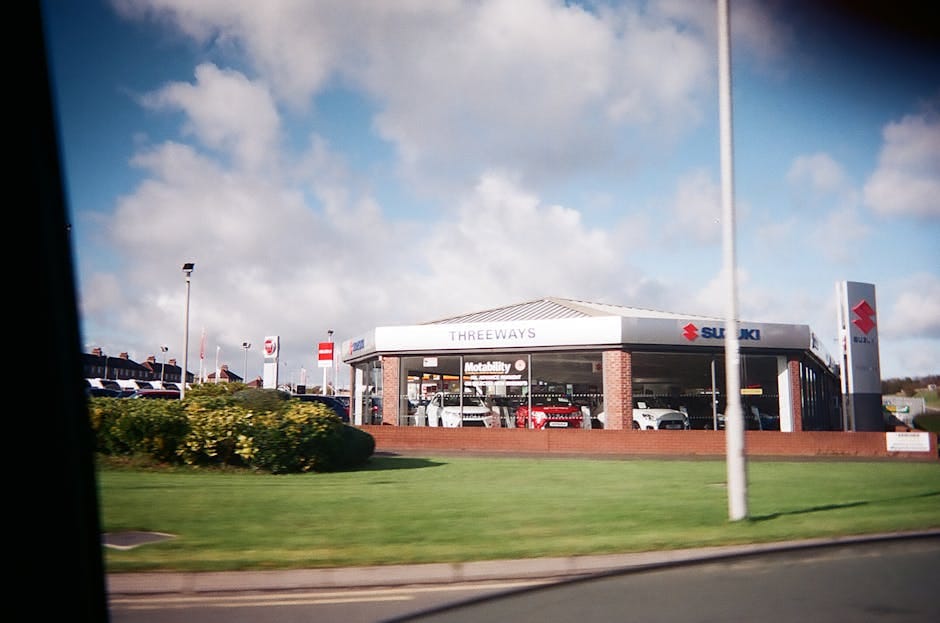
Trading in your current vehicle when buying a new one is faster, simpler, and typically nets 15 to 30 percent less money than selling the same vehicle privately. For some buyers the convenience is worth the lower proceeds. For others, the $3,000 to $8,000 difference represents weeks of savings that do not justify the time investment in private sale. The specific math depends on your vehicle's value, your tax situation, and how you value your time. Understanding the calculation rather than assuming one option is always better than the other is the key to making the right decision.
I have traded in vehicles twice and sold privately ten times in my car-buying history. Each decision was based on the specific circumstances of that transaction. The pattern I have developed is that trade-in makes sense in certain specific situations and private sale makes sense in most other cases. Here is the framework for making this decision on your own vehicle.
The Real Math on Trade-In Values
Dealer trade-in offers are typically 15 to 30 percent below private party value. This gap exists because the dealer needs to factor in their profit margin, reconditioning costs, transportation costs, advertising costs, and the opportunity cost of tying up capital in your vehicle.
Kelly Blue Book's trade-in value is generally accurate for what dealers will offer. The wholesale/auction value is typically 8 to 15 percent below trade-in value and represents what dealers can sell your vehicle for if they choose to wholesale it rather than retail it.
The actual trade-in offer you receive depends on the dealer's inventory needs, the vehicle's desirability, and the negotiation skill of both parties. On a $25,000 vehicle, the difference between a skilled negotiator and a passive seller can be $1,500 to $3,000 in the trade-in value.
Dealers use specific psychological tactics to shift focus away from the trade-in value. The "four-square" negotiation approach involves trade-in value, new car price, monthly payment, and down payment. Dealers will sometimes offer attractive prices on three of these four while making up the difference on the fourth. Focusing on total out-of-pocket cost rather than individual line items prevents this tactic.
The Costco Auto Program, Sam's Club Auto Buying Service, and similar fleet purchase programs sometimes provide better trade-in values than typical dealers because they operate at higher volumes and with lower margins. Comparing these to direct dealer offers can save significant money.
The Hidden Tax Benefit of Trade-Ins
The one meaningful financial benefit of trade-in over private sale is the sales tax reduction on the new vehicle purchase. In most states, you pay sales tax only on the difference between the new vehicle price and the trade-in value, not on the full new vehicle price.
For a $50,000 new vehicle purchase with a $20,000 trade-in, the tax savings depend on your state's sales tax rate. At 7 percent sales tax, you save $1,400 ($20,000 trade-in x 7 percent). At 9 percent sales tax, you save $1,800.
This tax savings partially offsets the lower trade-in value compared to private sale. The net financial benefit of trade-in over private sale is the sum of the tax savings minus the difference in sale proceeds.
In a specific example: private sale at $22,000, trade-in at $18,500. Difference is $3,500 in sale proceeds. Tax savings from trade-in (at 7 percent rate) is $1,295. Net loss from trade-in is $3,500 minus $1,295 = $2,205.
In some states (Alaska, Delaware, Montana, New Hampshire, Oregon) there is no sales tax, so there is no tax benefit to trade-in. In these states, private sale is always more profitable.
In other states, the tax calculation varies. California, for example, applies sales tax to the full vehicle purchase price regardless of trade-in. This makes trade-in less financially advantageous than in states with trade-in tax reductions.
Understanding your specific state's tax treatment is essential to accurate comparison. Your state DMV website or a local accountant can verify the exact rules.
When Trade-In Makes Sense
Vehicles worth less than $8,000 are often better trade-ins than private sales. The absolute dollar savings from private sale are limited, and the time and effort of private sale may not justify the small additional proceeds.
Vehicles with known mechanical issues or significant damage are often better trade-ins. The dealer accepts the vehicle as-is and handles repairs or auction disposal. A private buyer is likely to discover issues and either negotiate aggressively or back out.
Vehicles with salvage titles, rebuilt titles, or complicated ownership histories (lien questions, lost paperwork) are best traded in. Private buyers are typically suspicious of these vehicles and the sale process becomes difficult.
High-mileage vehicles (over 150,000 miles) often have limited private market appeal. Trade-in at a dealer that has wholesale relationships is often the practical choice.
Vehicles that you urgently need to sell (due to moving, financial pressure, or time constraints) are better traded in than sold privately. Private sale takes time that may not be available.
When you are buying a new vehicle at the same dealership, combining the trade-in with the purchase may simplify the transaction and negotiation. The dealer has incentive to make the deal work when both sides of the transaction are involved.
Vehicles with significant negative equity (you owe more than the vehicle is worth) can be rolled into a new loan at trade-in. This is not financially ideal but is sometimes necessary when you cannot continue with the current vehicle.
When Private Sale Is the Better Choice
Vehicles worth more than $15,000 typically benefit significantly from private sale. The absolute dollar savings are meaningful ($2,500 to $5,000 on average) and justify the time investment.
Vehicles in excellent condition with full service records sell better privately than at trade-in. Dealers discount based on conservative assumptions, while private buyers who see the specific car pay for the actual condition.
Enthusiast vehicles with specific communities (classic cars, performance cars, trucks with specific modifications) reach enthusiast buyers more effectively through private sale channels than through dealer trade-in.
Vehicles with desirable, rare configurations (specific trim packages, unique colors, low production models) benefit from reaching buyers specifically seeking those configurations. Dealers typically discount these features rather than pricing them up.
Vehicles in regions with active private markets (major metropolitan areas, college towns) sell more easily privately than in areas where dealer trade-in is the default transaction type.
Owners with the time and skills to handle private sale properly typically see private sale as worthwhile. Owners without the time or confidence in negotiation may prefer trade-in despite the lower proceeds.
The Hybrid Strategy That Sometimes Works
Getting a trade-in offer from the dealer and using it as a baseline for private sale pricing is a useful strategy. If you list privately at $3,000 above the trade-in offer, buyers understand they are getting market pricing that reflects private sale. If you cannot sell privately at that price within a reasonable time frame, you can return to trade-in as a fallback.
Some dealers will accept trade-ins for cars purchased at other dealers, allowing you to maintain the tax advantage of trade-in while shopping for the best new vehicle deal. Not all dealers do this, but it is worth asking during new vehicle negotiations.
Dealer trade-in offers are sometimes better than their initial pitch suggests. Negotiating the trade-in value upward is sometimes possible, especially if the dealer has strong inventory of the new vehicle you want and is motivated to close the transaction.
Using a trade-in offer as leverage in new car negotiations is a common tactic. If the dealer gives you $2,000 more on trade-in but $2,000 more on the new car price, your net position is unchanged but the paperwork looks different. Focus on total out-of-pocket cost rather than individual line items.
Some sellers list their vehicle privately for a week or two while simultaneously shopping for new vehicles. If a strong private sale offer comes in, you can proceed with both transactions. If no good private sale materializes, you have the trade-in option as backup.
Specific Strategies for Maximizing Trade-In Value
Get multiple trade-in offers from different dealers. A Honda dealer, a BMW dealer, a Toyota dealer, and a used-car-only dealer may each offer meaningfully different trade-in values for the same vehicle. Shopping multiple offers often increases the final trade-in value by $500 to $2,000.
CarMax offers written offers that are valid for 7 days, making CarMax a useful baseline for comparing trade-in offers from other dealers. The CarMax offer is typically lower than a strong private sale price but higher than weak dealer trade-in offers.
Algorithmic offer services (Carvana, Vroom, Shift, KBB Instant Offer) provide written offers that can be used as comparison points. These often compete with traditional dealer offers and can be useful in negotiation.
Timing matters. Trade-in values are typically higher at the end of the month when dealers are trying to meet sales targets. Weekends and end-of-year quarters are similar high-value timing.
Vehicle condition at the time of trade-in offer matters. A clean, well-detailed vehicle with fresh tires and recent service typically trades in for $500 to $1,500 more than the same vehicle needing basic care.
Having the vehicle ready with all paperwork (title, registration, service records, spare keys, manuals) streamlines the trade-in process and can affect the offer positively. Dealers sometimes discount vehicles without complete paperwork.
The Tax-Advantaged Structure That Always Wins
If you have ever considered selling a vehicle to a family member or close friend, there is a specific structure that captures the benefits of both trade-in and private sale. Sell the vehicle to the family member at the trade-in value you would have received, then have them sell it privately at market price. The family member captures the spread as profit. The tax impact varies by state and should be discussed with a tax professional.
Another variant involves selling through a consignment arrangement with a trusted dealer. The dealer handles the private sale process for a fee (typically 5 to 10 percent of the sale price), which often produces net proceeds between trade-in and direct private sale. This is useful for sellers who want private sale proceeds without the personal effort involved.
Some dealers offer "trade assist" programs where they handle the private sale on your behalf for a fee. These can work well for high-value vehicles where the fee is worth the convenience and the dealer has network connections to reach buyers.
The Decision Framework
The correct choice depends on the specific vehicle and your specific situation. Here is the framework I use for my own decisions:
Calculate realistic private sale price minus realistic trade-in offer. If the difference is less than $1,500, trade-in is usually the better choice because the time savings justify the small dollar loss.
If the difference is $1,500 to $5,000, calculate your expected time investment in private sale. If you can handle the sale in 15 hours or less, private sale typically makes sense. Beyond that, trade-in may be preferable.
If the difference is more than $5,000, private sale is almost always worth the time investment unless the vehicle has issues that make private sale difficult.
Add the tax advantage of trade-in (typically 3 to 10 percent of trade-in value, depending on state) to the dealer's offer when comparing to private sale.
Consider your personal time constraints and comfort with the private sale process. Some people genuinely enjoy handling car transactions; others find them stressful and avoid them.
The right answer varies by person and by vehicle. There is no universal "always trade in" or "always sell private" rule. Applying the framework to your specific situation produces the right answer for you.
In my own history of twelve vehicle sales, the trade-in decisions I made were both on older vehicles with lower values where the time investment in private sale did not justify the marginal dollar gain. The private sale decisions were on higher-value vehicles where the $3,000 to $8,000 additional proceeds clearly justified the 15 to 20 hours of effort. Both decisions were right for their specific contexts, and both approaches work when applied appropriately.