Diesel Past £2 a Litre: Is This Finally the Moment to Buy a Used EV?
Diesel just crossed 196p a litre, and a new study of 47.4 million MOTs says used EVs get more reliable, not less, past 60,000 miles. Here is what that actually means if you are shopping the used market this autumn.
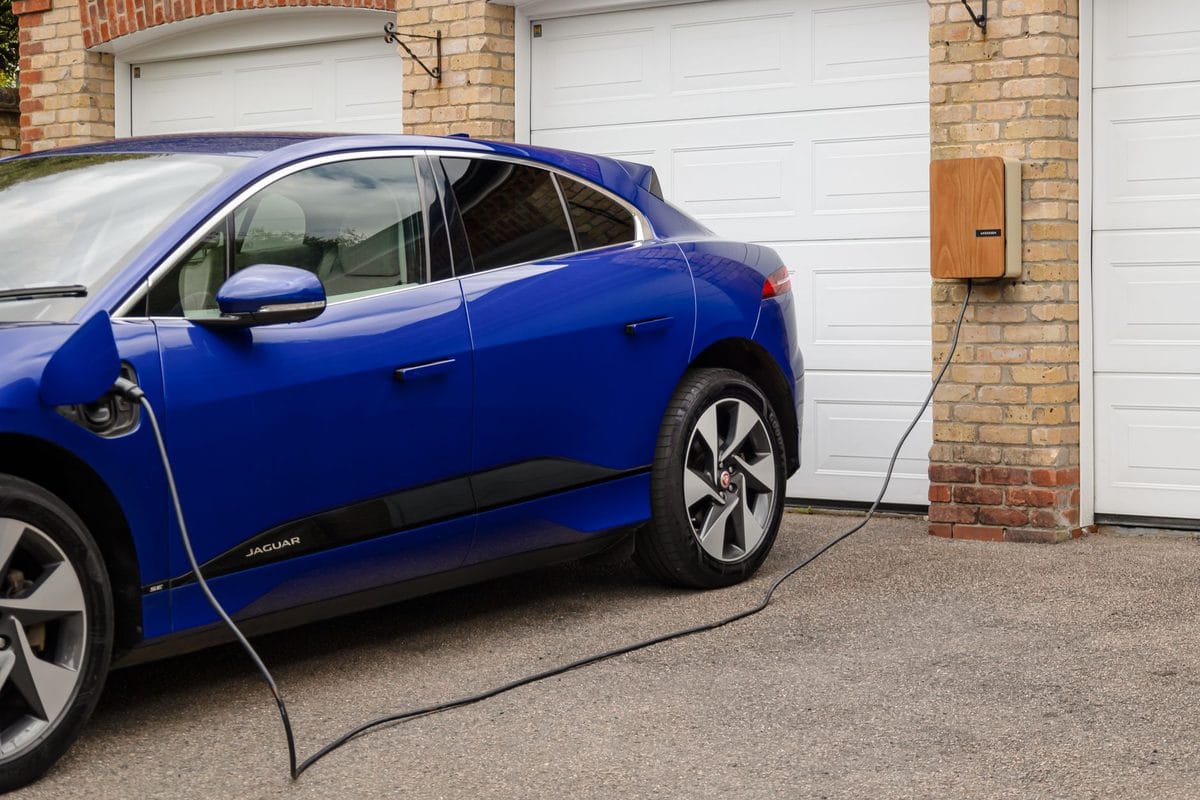
Jon Barden, a handyman working jobs around Tottenham, reckons half his day's pay now goes straight into his diesel Ford estate, and he's not exaggerating for effect. Average UK diesel prices have climbed 38% since February, to 196.28p a litre, and forecourts in parts of the country are already quoting above the psychologically important £2 mark some mornings. For a driver doing 15,000 miles a year in something that returns 45mpg, that's roughly the difference between an annual fuel bill of £2,100 and one closer to £2,900. If you drive for a living — courier work, mobile trades, anything with a boot full of tools — that gap isn't abstract, it's the invoice you send your customers going up. The cause sits a long way from any UK filling station: Iran's effective blockade of the Strait of Hormuz and Ukrainian drone strikes on Russian refineries have together erased something like a fifth of the world's diesel supply, and Brent crude has spiked to a four-year high as a result. Britain is unusually exposed to that squeeze because its own refining capacity has shrunk from nine plants to four since the turn of the century, so roughly 55% of the diesel burned on UK roads now arrives by tanker rather than being made here. Which means a war 1,500 miles away shows up on your dashboard within days, not months, and there's no realistic scenario where it reverses by Christmas.
And with suspiciously good timing, the used-EV lobby has just published exactly the data it needed. Used EV Week — 21 to 27 September — kicked off this week with a BVRLA-commissioned study of 47.4 million MOT records, and the headline finding cuts against a decade of received wisdom about second-hand electric cars falling apart once the odometer clears six figures.
What 47.4 Million MOTs Actually Found
The failure-rate line for electric cars simply stops climbing at 60,000 miles — the petrol line doesn't.
Below 40,000 miles there's barely a gap: 12% of battery-electric vehicles failed their MOT against 11.7% of petrol cars, close enough to call it noise. Past 60,000 miles the two lines diverge — New AutoMotive, which carried out the analysis for the BVRLA, found EV failure rates settle at around 16% while petrol and diesel keep climbing with every extra mile. In the 90,000-to-120,000-mile band specifically, it's 16.5% for electric against 22.2% for petrol, which works out to roughly a quarter fewer failures on a car doing genuinely high miles. Push past 120,000 miles and the gap widens further still, to 16% against 23.5%. Longevity told the same story from a different angle: tracking whether a car returns for a second MOT within 30 months found that 94.6% of 15-year-old electric cars did, against 88.1% of petrol cars. New AutoMotive's chief executive, Ben Nelmes, reads that as an implied road-exit rate — scrapped, exported or SORN'd — of 5.4% for electric cars versus 11.9% for petrol, and he's blunt about what it means: the mechanical simplicity of an electric drivetrain starts to become increasingly valuable as cars accumulate miles. Toby Poston at the BVRLA puts the buying advice plainly: a well-maintained, higher-mileage electric car can be an extremely durable used vehicle, and mileage alone shouldn't be the thing that scares a buyer off the way it traditionally has with a diesel doing six-figure motorway miles.
Where the Data Quietly Stops Helping You
Here's the catch nobody selling you a used EV wants to lead with: the MOT doesn't test the one component that actually decides whether a used electric car is a bargain or a £6,000 mistake — the battery. MOT tests check brakes, tyres, suspension, steering and lights. They say nothing about state of health or remaining capacity, so a car that sails through its test with zero advisories can still have lost a quarter of its usable range to degradation. You'd only find that out by asking the seller for a battery health report, or by paying for an independent one yourself — a handful of specialist firms offer checks for £30–£50, and it's money worth spending before you hand over a deposit.
Tyres are the other asterisk on this whole argument. BEVs recorded roughly 1.8 times as many tyre defects as petrol cars across the full 47.4-million-record dataset — instant torque and extra kerb weight from the battery pack chew through rubber faster, and the problem is worse on early EVs that were adapted from combustion-engine platforms never designed to carry that extra weight. Budget for a tyre change every 15,000–20,000 miles rather than the 25,000-plus you might get away with on a diesel, and factor that into whatever you think you're saving at the pump. Suspension tells the opposite story: EVs actually recorded fewer defects than petrol cars between 60,000 and 90,000 miles, so it's not a blanket weight penalty — just a tyre-specific one.
Then there's charging, which is where the diesel-crisis argument collapses for a big chunk of readers. If you've got a driveway and can charge overnight on a cheap home tariff, running an EV genuinely does cost a fraction of filling a diesel tank at current prices. If you're on-street parking and relying on public rapid chargers, you're paying considerably more per mile — sometimes not far off diesel once you account for what the premium networks charge. Winter range is real too: expect 15–25% less than the WLTP figure in genuinely cold weather, worse again with the heater running hard, and that matters if your commute already eats into most of the range you paid for.
What's Actually Worth Looking At
If you've got off-street charging and do the sort of mileage where fuel cost matters, here's where to put your money rather than your curiosity. A 2021 Hyundai Kona Electric 64kWh Premium SE with around 35,000 miles is currently changing hands for about £12,490 — real-world range in the low 250s, genuinely usable as a daily driver rather than a novelty. The Volkswagen ID.3 undercuts it: a 2020 Pro Performance 58kWh Life with 43,000 miles was recently listed at £12,000, with more interior space than the Kona and a similar official range, though owners report a mixed reliability record with the infotainment system and the odd electrical gremlin. Step up in budget and a 2021-ish Tesla Model 3 Standard Range is available from around £14,500, still the car to beat on charging network access and real-world efficiency whatever you think of the badge.
Go cheaper and the picture gets messier. Early Nissan Leafs and Renault Zoes are available under £10,000, but the pre-2018 Leaf's air-cooled battery degrades faster than anything with active thermal management, and plenty of early Zoes were sold with the battery on a separate lease — meaning you don't actually own the most expensive part of the car, and monthly lease payments eat straight back into whatever you saved on the purchase price. Skip both unless you've specifically checked the battery-ownership status and had the health verified independently; the money saved upfront isn't worth the uncertainty. Reliability data from a recent owner survey adds a wrinkle worth knowing before you commit: the Mini Electric scored 98.4% for reliability, ahead of the Zoe on 86.8%, the Peugeot e-208 on 86.5% and the ID.3 on 86.2%. It's smaller and shorter-range than the Kona or ID.3, so it won't suit everyone, but if you're mainly doing urban miles and want the electric car least likely to give you grief, it's the one to shortlist first.
The Verdict
This is a real tipping point for one specific kind of driver, not for everyone with a diesel on the drive. If you do meaningful annual mileage, you've got a driveway or reliable off-street charging, and you're prepared to pay for an independent battery check before you commit, a used EV in the £12,000–£15,000 bracket is now a genuinely better financial bet than replacing a tired diesel with another one — the MOT data backs the mechanical case, and diesel pushing past £2 a litre backs the running-cost case. If you're on-street parking with no realistic home-charging route, or your annual mileage is low enough that fuel cost was never really the deciding factor, none of this week's headlines actually change your maths. Buy the best-maintained diesel or petrol you can find, skip the panic, and let this particular crisis pass you by.