How to Spot a Flood-Damaged Car Before You Buy It
Every storm season, thousands of flood-damaged cars get dried out, detailed and re-titled somewhere quiet. Here's how to catch one before it catches you.
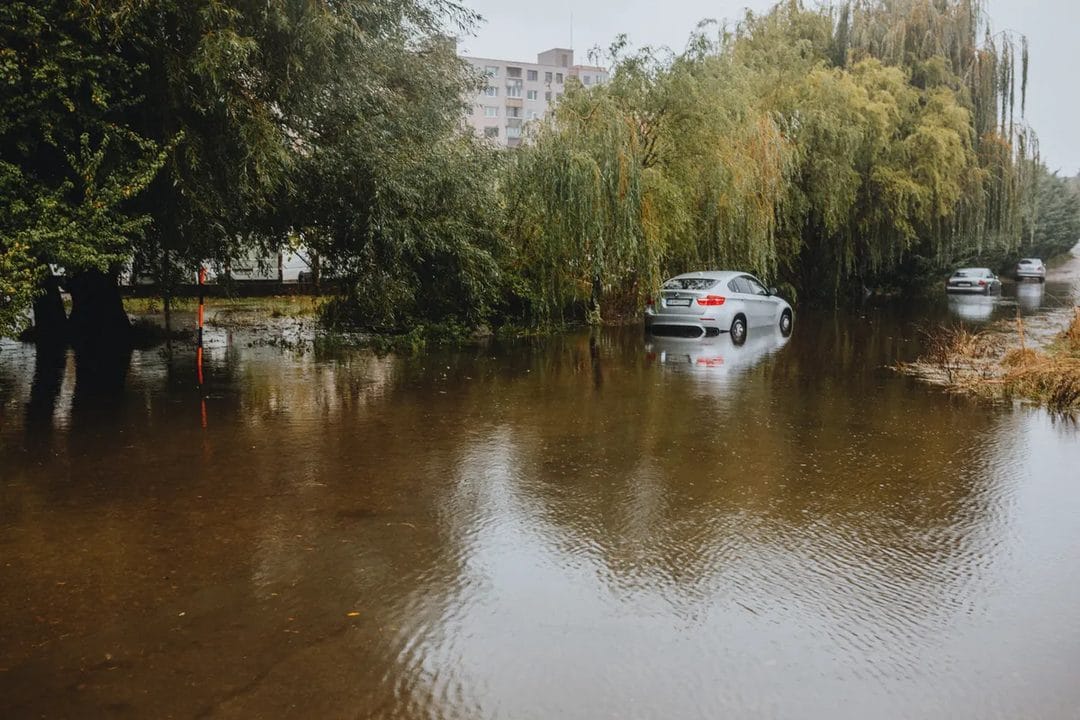
The listing photos looked perfect: low mileage for the year, a clean interior, and a private seller in a hurry to sell because he was moving abroad for work. The price sat about eight hundred pounds under what comparable cars were fetching nearby. The buyer found out three weeks later, when the infotainment screen started flickering and the seatbelt pretensioner light refused to turn off, that the car had spent four days underwater during a tropical storm some eighteen months earlier. The paperwork trail had been washed clean through two owners before it reached him.
That story repeats itself every year, and not only in hurricane-prone parts of the world. Heavy winter rain and surface-water flooding do the same thing to cars parked on low ground in Europe, and a car doesn't need to be near a coast to end up submerged for a night — a blocked drain on a residential street after a storm is enough. Wherever water sits in a footwell for more than a few hours, that car becomes a candidate for the used market, usually after a cosmetic clean-up designed to hide everything a casual buyer would notice.
Why Flood Cars Keep Turning Up on Legitimate-Looking Listings
Insurers write off flood-damaged vehicles because the cost of proper remediation — stripping the interior, replacing wiring looms, drying the ECU and the airbag control unit, treating the underbody against corrosion — routinely exceeds the car's value. A total-loss declaration triggers a branded title or a formal write-off category on the vehicle's record, and that marker is supposed to follow the car for the rest of its life. Both systems exist specifically so the next buyer knows what happened before money changes hands. Both systems get gamed anyway, and more often than most buyers assume. A branded record can be re-registered somewhere with looser reporting rules, and the flag simply doesn't transfer. Insurance paperwork can be skipped entirely if the owner never files a claim, which means there is no branded record to hide in the first place. Neither route shows up if you only glance at the paint and take the seller's word for the mileage, and that's exactly why so many of these cars sell to buyers who did everything a normal purchase requires and nothing more.
The cosmetic side of the fix is often genuinely good work, which is part of what makes it convincing. A detailer with a wet-vac, an ozone machine and a few days can pull the smell out of an interior almost entirely, and a competent bodyshop can make the carpets, seats and dash look factory-fresh. None of that touches what's happening behind the trim panels — corroding connectors, a control module quietly failing, bearings and bushings that were never designed to sit in brackish water. That's the gap a buyer is paying to inherit.
Start With the Paperwork, Before You Book a Viewing
Run the VIN or registration number through a proper vehicle history check before you arrange to see the car in person. In the US, the federal database that flood and salvage titles are legally required to report into will flag a branded title even after it's crossed state lines, because the flag follows the VIN rather than the paperwork — a check through an approved provider typically costs around $25. In the UK, a full vehicle history check will show a Category S or Category N marker, and it's worth paying the roughly £20 for the detailed version rather than relying on the free government MOT lookup alone, which doesn't always surface every write-off category.
Cross-reference whatever the seller tells you against what the check actually shows. If the report indicates the car spent time registered somewhere that saw a named storm or serious flooding within the last few years, and the seller insists it's "always been a one-owner car, never been anywhere near water," ask for the full registration history directly rather than accepting a verbal reassurance.
A seller with nothing to hide produces that paperwork without hesitation.
What to Actually Check When You're Standing Next to the Car
Trust Your Nose Before Your Eyes
Get into the car, close the doors, and just sit for thirty seconds before you touch anything else. A flood car that's been dried and deodorised almost always still carries a faint mustiness under the air freshener — check the boot and underneath the spare wheel cover specifically, because that's the space owners forget to treat properly. If the seller has propped the doors open before you arrived "to air it out" on a mild day, treat that as a small red flag rather than dismissing it as coincidence.
Water Lines and Silt Are Nearly Impossible to Fully Remove
- Pull back the edge of the carpet in the footwells and boot — a visible tide line or gritty silt residue in the seams means water sat there long enough to leave a mark
- The wheel-well cavity and the space under the spare tyre almost never get a proper clean, so it's worth checking there specifically even if the rest of the boot looks immaculate
- Pull seatbelt webbing all the way out of the pillar and check for a water stain or a patch of stiffness partway along the strap
- A chalky mineral residue on the fuse box lid or the underside of the dashboard is what floodwater leaves behind as it evaporates — check both, and check the connectors underneath the seats while you're at it
Rust in places that shouldn't rust is the single most reliable tell of the lot. Door hinges, seat rail bolts, seatbelt anchor bolts underneath the seat, and the screws holding interior trim panels in place should all still show factory plating on a car under ten years old. Flash rust — the light orange bloom that appears on bare metal within hours of exposure to water — on any of those fasteners means water reached places a spilled drink or a leaking sunroof never would.
Electronics Fail Slowly, Which Is Exactly the Problem
A flooded car's electrical system rarely dies all at once. Corroded connectors behind the dash, in the door sills, or under the seats create intermittent faults that pass a quick fifteen-minute test drive and then resurface weeks later as flickering warning lights, a dead infotainment screen, or, more seriously, a fault code in the airbag or ABS module that never trips a warning lamp at all. Modern cars route dozens of separate circuits through connectors that were engineered to handle the occasional splash, not four days of submersion, and copper corrodes at a different rate to the surrounding plastic housing, which is exactly why a connector can look fine on the outside while the pins underneath have already gone green. Ask to plug in a diagnostic reader before you buy, and check specifically for stored fault codes rather than just current ones. A corroded sensor connector will often throw an intermittent code that clears itself by the time you're standing there, but the history stays logged in the module regardless. Some independent garages will run this check for fifteen or twenty pounds if you're not carrying your own reader, and it's money worth spending before you commit to anything larger.
A short test drive won't catch most of this, unless the fault happens to surface in exactly the fifteen minutes you're driving, which it usually doesn't. Test every powered feature methodically instead of assuming it all works because the engine started cleanly. Electric windows, seat memory buttons, heated seats, the reversing camera, wing-mirror folding motors — each one runs through a separate section of wiring loom, and it's common for a flood car to have three working systems and one dead one, simply because only part of the harness sat in water long enough to matter.
Where These Cars Actually Get Sold
Salvage auctions are the honest end of this market — everyone bidding already knows the car is a flood write-off, and prices reflect that openly. The real risk sits further down the chain, once a buyer at that auction does a cosmetic repair and lists the car privately, or moves it through a small independent dealer with no mention of its history anywhere in the listing. Private sales carry the least legal protection if something goes wrong later, which is exactly why flood cars are disproportionately sold that way rather than through larger dealers, who carry real reputational and legal exposure for knowingly selling a branded vehicle without disclosing it.
Distance and timing matter too. A car being sold well outside the region where a major flood event happened deserves a slightly longer look than one being sold locally with a full service history from the same garage for eight years running — not because distance alone proves anything on its own, but because title washing depends on distance to actually work as a strategy. If the registration history shows the car changed hands or moved jurisdictions shortly after a named storm, that timing is worth asking about directly rather than politely letting it slide.
If You Already Suspect a Car You're Looking At
- Ask the seller directly whether the car has ever been in a flood or declared a total loss — a flat "no" from someone who's already been evasive about paperwork isn't reassurance, it's a pattern
- Get a pre-purchase inspection from an independent mechanic who knows to check the fuse box, seatbelt anchors and under-carpet areas specifically, not just run through a standard oil-and-brakes checklist
- Walk away from any deal where the price sits meaningfully below market and the seller is pushing hard for a quick, cash, no-questions sale
Buy the car with the boring service history and the slightly higher asking price over the suspiciously clean, suspiciously cheap one, every time. A flood-damaged car that passes your fifteen-minute inspection today can still leave you stranded with a five-figure repair bill or a written-off airbag system a year from now, and no amount of detailing removes silt from a wheel-well cavity or rust from a bolt that was never meant to see water in the first place. The history check costs less than a tank of fuel. Skipping it is the expensive option.