Buying Tires Without the Upsell: How to Read the Sidewall and Skip the Stuff You Don't Need
Tires are the only part of your car touching the road and the part most people buy blind. Read the sidewall, pay for wet grip, and skip the nitrogen.
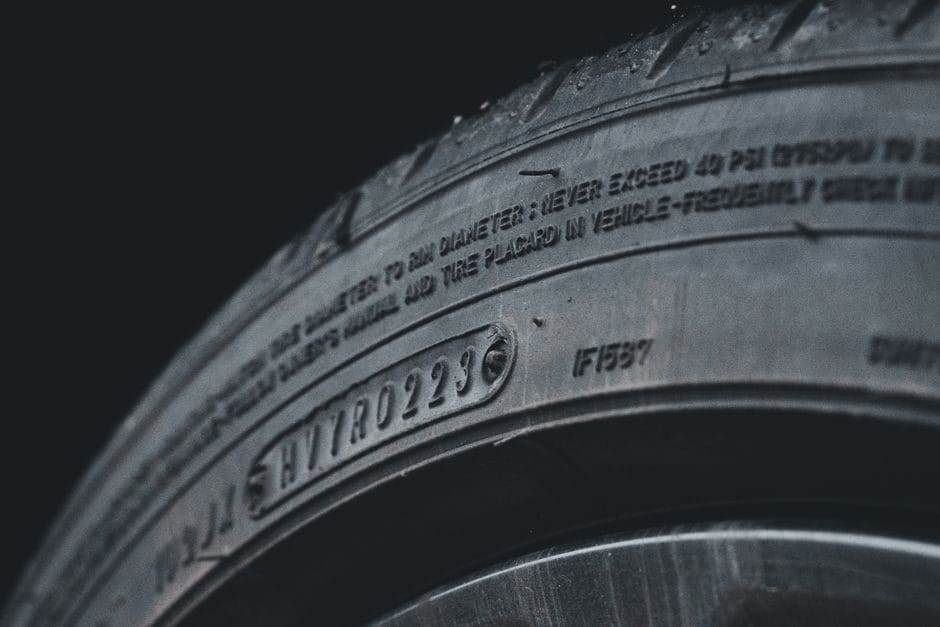
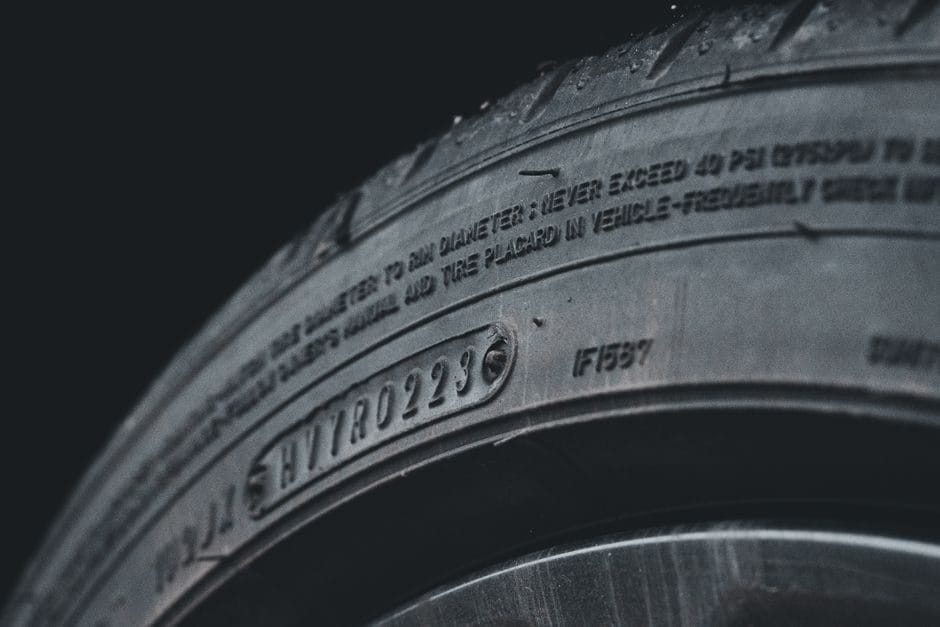
Tires are the only part of your car actually touching the road, and they're also the part most people buy with the least information. You walk into a shop, the counter guy quotes a number that's higher than you expected, and twenty minutes later you've agreed to road-hazard coverage, nitrogen fill, and a "premium" alignment you may or may not need. None of it is a scam exactly. Some of it is just margin dressed up as care.
The fix is knowing what the numbers on your current tire mean before anyone tries to sell you the next set.
The sidewall already told you what you need
Every tire has a code stamped on the side, something like 225/45R17 91V. That's not a serial number — it's a spec sheet. The 225 is the width in millimeters. The 45 is the aspect ratio, the sidewall height as a percentage of that width. R means radial, 17 is the wheel diameter in inches, 91 is the load index, and V is the speed rating. You don't need to memorize the chart. You need to match what's already on the car, because the automaker picked those numbers for a reason and the tire shop's "we can put a wider one on for better looks" usually means worse ride and a speedometer that now lies to you.
There's a second code that matters more than people think: the DOT date stamp. Look for a four-digit number at the end of the DOT string — "2225" means the 22nd week of 2025. Tires age out of safety regardless of tread. Rubber hardens and cracks, and most manufacturers, including Michelin and Continental, treat six years as the point where you should be inspecting closely and ten years as a hard replace. A "new" tire that's been sitting in a warehouse for four years is something you're allowed to refuse.
Where the real money difference lives
The price gap between a budget tire and a premium one is real, but it's not where the marketing points. A set of four mid-tier all-seasons — think Continental TrueContact or Michelin Defender — runs roughly $600 to $900 installed for a common sedan size in 2026. A budget set can be $350 to $450. The premium tire usually buys you two things that matter: a longer tread-life warranty (often 70,000 to 80,000 miles versus 40,000) and meaningfully shorter wet braking distance.
That wet braking number is the one to care about. The difference between a good tire and a cheap one in a panic stop on wet asphalt can be a full car length or more from 60 mph. Spread over five years of ownership, paying $200 extra for the set that stops shorter is the cheapest safety upgrade you will ever make. This is the one place I'd tell you not to economize.
Check the EU tire label or the UTQG treadwear rating before you buy. A treadwear number of 600 versus 400 tells you which one lasts longer, and the wet-grip letter grade tells you which one stops. Both are printed; neither is up to the salesman's opinion.
The add-ons, ranked
- Mounting, balancing, and a new valve stem — pay for these. They're labor you genuinely can't skip, and a fresh rubber valve stem for a couple of dollars per wheel beats a slow leak in February.
- Alignment — worth it if your old tires wore unevenly or the car pulls. A four-wheel alignment runs $80 to $150 and protects the new rubber. Don't buy it reflexively on a car that tracked straight and wore evenly.
- Road-hazard coverage — situational. If you drive on chewed-up urban roads or construction routes, the $15-to-25-per-tire policy can pay for itself with one pothole. If your commute is smooth highway, it's pure margin.
- Nitrogen fill — skip it. The theory is that nitrogen leaks slower and keeps pressure stable. In practice, regular air is already 78% nitrogen, the benefit for a daily driver is negligible, and you'll top up with plain air at a gas station anyway, which dilutes the whole point.
One thing nobody at the counter will mention
Replace tires in sets when you can, but if you're only replacing two, the new pair goes on the rear axle — even on a front-wheel-drive car. It feels backward, and half the shops get it wrong. New tires up front with worn ones in back means the rear loses grip first in a wet corner, which is how you spin. Put the grip behind you.
Buy on the spec that's already stamped on your sidewall, pay for the wet-grip rating and the labor, and say no to the gas that's already in the air around you. The car will ride the way the engineers intended, and you'll have kept a couple hundred dollars that was never really buying you anything.