Summer Road Trip Car Prep: The Checklist That Actually Prevents Breakdowns
Heat doesn't create breakdowns, it exposes the ones you were already carrying. Here's the pre-trip checklist that catches them first.
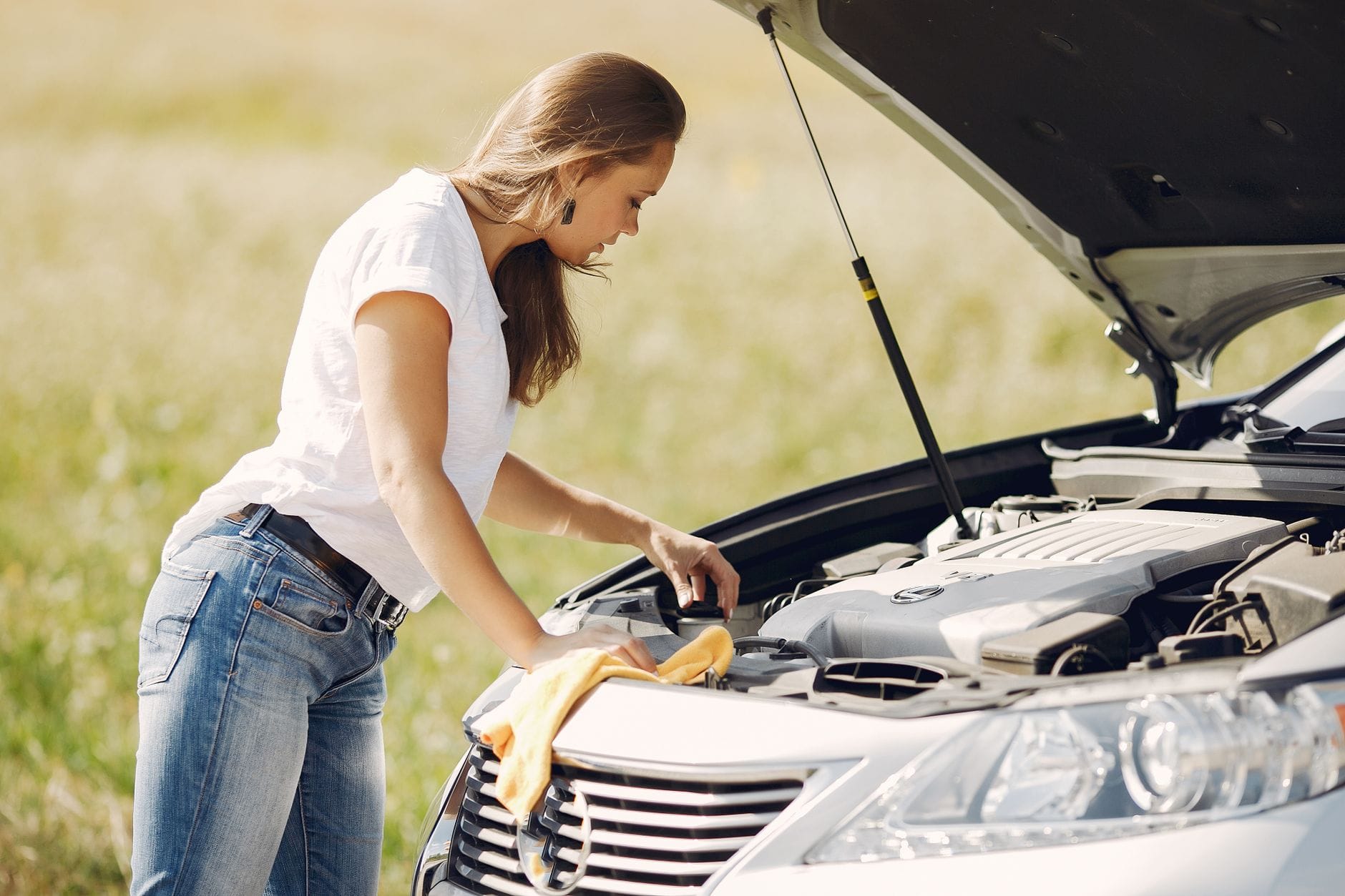
The AAA reported over 400,000 roadside rescue calls during the first two weeks of July last summer, and the pattern was almost always the same: a car that had been running fine for months finally met a 95-degree day with a full trunk and four hundred highway miles ahead of it, and something that had been marginal for weeks finally gave out. Heat doesn't create most breakdowns. It exposes the ones you were already carrying.
A pre-trip checklist sounds like the kind of thing your father insisted on and you rolled your eyes at. He was right, and the reason he was right has nothing to do with caution for its own sake — it's that a fifteen-minute inspection catches almost everything that turns into a three-hour tow-truck wait in the middle of a heat advisory. Here's what actually matters, in the order it actually matters.
Coolant System: The One That Actually Strands People
Overheating is the single most common summer breakdown, and it's almost never about the coolant level alone — it's about coolant that's old enough to have lost its corrosion inhibitors. Coolant doesn't just prevent freezing; the additive package that protects your water pump and radiator from internal corrosion degrades over time even if the fluid still looks green or orange in the reservoir. Most manufacturers rate conventional coolant at two years or 30,000 miles, and the long-life formulas at five years or 100,000 — check your owner's manual for which one your car takes, because using the wrong type doesn't just fail to help, it can actively cause deposits.
Squeeze the upper radiator hose when the engine's cold. It should feel firm but pliable, not brittle or mushy. A hose that's gone soft is close to a blowout, and a blowout on I-40 in July with the AC running full blast is exactly the scenario this checklist exists to prevent.
Tires: Pressure Changes With the Temperature You're Driving Into
Tire pressure rises roughly 1 PSI for every 10-degree increase in ambient temperature, which means the pressure you set on a 60-degree morning in April is not the pressure you're running by the time you're crossing Nevada at 105 degrees in the afternoon. Overinflation from heat isn't usually dangerous on its own, but it compounds with an underlying problem — tread that's already worn past 4/32 of an inch, or a tire that's more than six years old regardless of tread depth, since the rubber compound itself degrades from UV and heat exposure whether or not you've driven the miles. Check the date code on the sidewall — four digits, week and year of manufacture. A tire built in 2020 has been baking in driveway sun for six summers even if it's only got 20,000 miles on it, and that's worth replacing before a 2,000-mile trip, not after a blowout on it.
Rotate your spare into the mental checklist too. A donut spare that's been sitting at 15 PSI since the car left the factory does you no good at all when you actually need it.
Battery: The Failure That Doesn't Wait for Winter
Everyone associates dead batteries with cold weather, and that's backward for anything but the actual moment of failure. Heat is what kills batteries — the chemical reaction inside a lead-acid battery accelerates in high temperatures, which shortens its working life even though the failure itself often shows up as a no-start on the first genuinely cold morning of the following winter. A battery that's three to five years old and has spent its life under a hot hood in a warm-climate state is a much better candidate for a load test before a long trip than one that's simply "still starting the car fine." Most auto parts stores — AutoZone, O'Reilly, Advance Auto — will run a load test for free in about five minutes. Get it done before the trip, not after the dashboard warning light.
The AC System Is Not Optional Equipment on This Trip
An AC system that's marginal in your daily 20-minute commute becomes a serious problem on a six-hour highway run through 100-degree heat, and it's not just about comfort. A cabin that hits 110 degrees with the windows up compromises reaction time and decision-making the same way fatigue does — this isn't a luxury complaint, it's a driving-safety one. If your AC has been blowing lukewarm for the last few weeks and you've been telling yourself it's fine, get the refrigerant charge checked before the trip. A simple recharge runs $150–$250 at most independent shops; a full system diagnosis if there's a leak runs more, but you want that number before you're three states from home, not after.
Brakes and Fluids: The Boring Half of the List That Still Matters
Brake fluid absorbs moisture over time, and moisture-contaminated brake fluid has a lower boiling point — which matters a great deal on a mountain descent in summer heat where you're riding the brakes for miles at a stretch. If your brake fluid hasn't been flushed in two years, get it done. Check brake pad thickness while you're at it; anything under 3mm should be replaced before, not during, a road trip. Oil is the other one people skip because "it's not due for another thousand miles." Heat accelerates oil breakdown too, especially in stop-and-go traffic with the AC compressor working overtime. If you're within a thousand miles of your interval and about to drive three thousand, just do the oil change now.
What to Actually Pack, Not Just Check
A charged phone battery pack, a gallon of water per person that isn't for drinking (radiator top-offs matter more than people expect), and a paper map or downloaded offline map for the stretches where cell service disappears — these aren't glamorous, but they're the difference between a delay and an emergency. Skip the giant emergency kit with forty items you'll never use. A tire plug kit, jumper cables or a portable jump pack, and a basic first aid kit cover the situations that actually happen.
None of this takes more than an afternoon, and most of it costs less than the tow truck call that happens if you skip it. The 400,000 roadside calls in those first two July weeks weren't mysterious mechanical failures — they were problems that had been sitting there since spring, waiting for a hot enough day to become undeniable. Don't give yours that day.
The Fifteen-Minute Version If You're Leaving Tomorrow
Not everyone has a free weekend before a trip, and a rushed version of this beats no version at all. Pop the hood cold, before the engine's run: check coolant level against the "cold fill" line on the reservoir, squeeze the upper radiator hose, and glance at the belt for cracking or glazing. Walk around the car and press a tire gauge to all four tires plus the spare — don't eyeball it, temperature changes make eyeballing useless. Turn the AC to max cold for thirty seconds and confirm the air actually gets cold, not just moving. That's genuinely fifteen minutes, and it catches the failures most likely to strand you specifically because of heat — coolant, tires, battery, AC — even if it skips the deeper brake and fluid checks that matter more for a longer trip.
What a Roadside Breakdown in July Actually Costs
A basic tow averages $109 nationally according to AAA's own published figures, but that number climbs fast outside a metro area — rural tows on a summer holiday weekend, with demand spiking and fewer trucks available, routinely run $250 to $400. Add the diagnostic fee, the part, the labor, and often a hotel night if the repair can't happen same-day, and a breakdown that started as a $30 hose replacement becomes an $800 detour with your family sitting in a gas station parking lot in 100-degree heat waiting for a flatbed. That math is the actual argument for the checklist. It's not caution for its own sake — it's fifteen dollars in coolant and an afternoon against an $800 day that also ruins the trip you were driving toward.