Looking after a used car in 2026: the cheap maintenance that prevents expensive repairs
Most big car bills start as small problems someone ignored. Here's the cheap, regular maintenance that keeps a used car reliable and saves you a fortune in repairs.
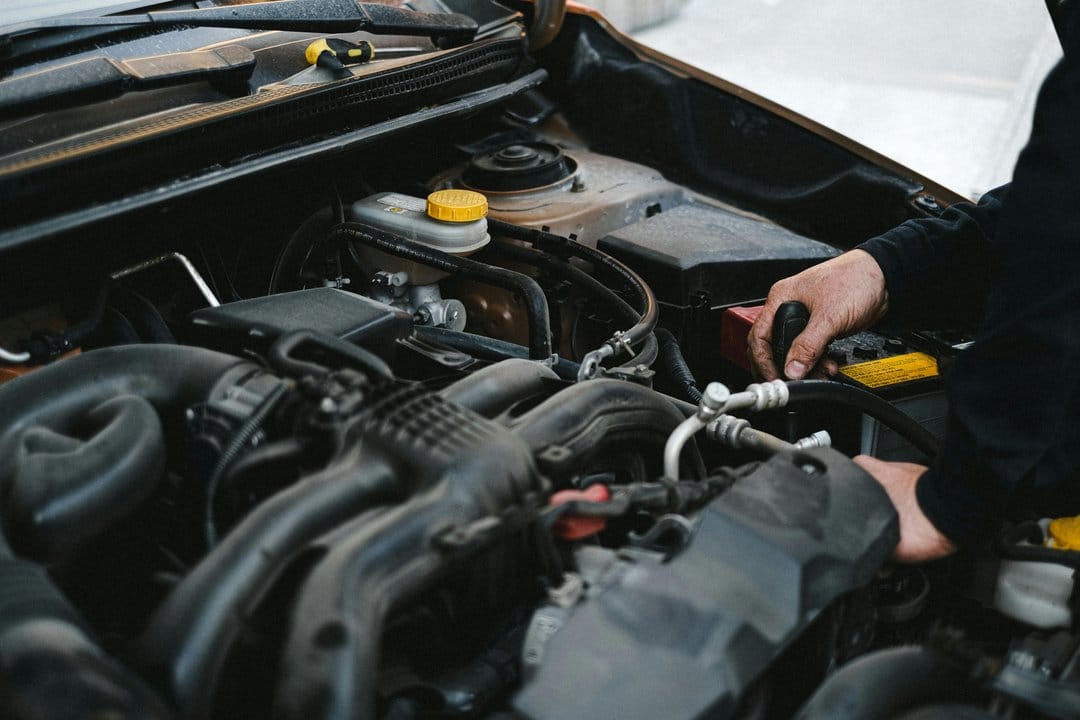
The cheapest car you can own is usually the one you already have, kept running well. Most catastrophic, wallet-emptying repairs — the seized engine, the wrecked gearbox, the corroded brake lines — don't appear out of nowhere. They begin as small, cheap-to-fix problems that someone ignored until they became big, expensive ones. Looking after a used car isn't complicated or costly. It's mostly about attention and consistency, and it pays for itself many times over.
Fluids: the lifeblood, and the cheapest insurance
If you do nothing else, look after the fluids. Engine oil is the single most important. Old, low or dirty oil is the fastest route to catastrophic engine wear, and an engine rebuild or replacement is the kind of bill that writes off an older car entirely. Check the level regularly with the dipstick, top up when needed with the correct grade, and — crucially — change it and the filter at the intervals the manufacturer specifies. An oil change costs little. The engine it protects costs thousands.
While you're at it, keep an eye on the others: coolant (which stops the engine overheating and freezing), brake fluid, and screen wash. A few minutes under the bonnet once a month catches a slow leak before it becomes a roadside breakdown.
Tyres: safety and money in equal measure
Tyres are where safety and savings meet. Underinflated tyres wear out faster, use more fuel, and handle worse in an emergency — so checking pressures monthly, and before long trips, saves money and could save your life. Check the tread too: the UK legal minimum is 1.6mm, but grip falls off well before that, especially in the wet. Worn, damaged or unevenly worn tyres are both a safety risk and an MOT failure. Uneven wear can also flag a tracking or suspension problem worth investigating early.
Don't skip the service
It's tempting to skip a service to save money, especially on an older car. It's almost always a false economy. A proper service catches the small problems — a perished hose, a worn belt, pads getting thin, a fluid degrading — while they're cheap to put right, long before they fail in a way that strands you or damages something major. Keeping a documented service history also protects the car's resale value: buyers pay more, and trust more, for a car with a full record.
For routine jobs, an independent garage is usually far cheaper than a main dealer and perfectly capable. The key is regularity, not prestige.
The small checks that catch big problems
You don't need to be a mechanic to notice the early warnings. Pay attention to:
- New noises. Grinding when braking (worn pads or worse), knocking over bumps (suspension), squealing belts. Noises rarely cure themselves — they get more expensive.
- Warning lights. That dashboard light is information, not decoration. A diagnostic check to find out why is cheap; ignoring it until something fails is not.
- Leaks. Spots under the car where it's parked — oil, coolant or other fluids — mean something is escaping that shouldn't be. Identify the colour and location and get it looked at.
- Changes in how it drives. Pulling to one side, a spongy brake pedal, vibration at speed, harder starting. These shifts are the car telling you something early.
The bodywork you can't see
On older cars in the UK, rust is the quiet killer, accelerated by winter road salt. A wash that includes the underside, especially after salty roads, and attention to small paint chips before they spread, slows corrosion that can otherwise eat into structural areas and turn a roadworthy car into a write-off at MOT time.
The honest economics
Add it up and the maths is overwhelmingly in favour of regular care. A monthly fluid-and-tyre check costs nothing but a few minutes. An annual service costs a fraction of a single major repair. Acting on a strange noise or warning light early is far cheaper than waiting for the breakdown. The owners who face the eye-watering bills are almost always the ones who deferred the cheap, dull jobs. Stay on top of those, and a well-kept used car will reward you with years of reliable, low-cost motoring — which is exactly what most of us actually want from a car.