Lexus LC 500: The Last Naturally Aspirated V8 Grand Tourer
The Lexus LC 500 naturally aspirated V8 is going away. The car deserves more respect than the enthusiast community usually gives it.
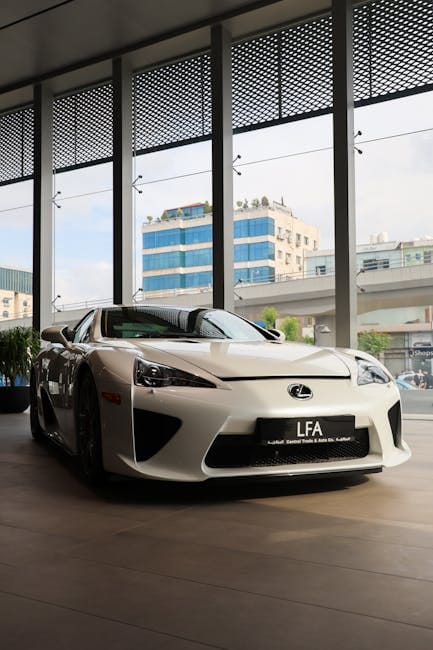
The Lexus LC 500 runs a 5.0-liter naturally aspirated V8 making 471 hp and 398 lb-ft of torque. Redline is 7,300 rpm. The car weighs 4,340 lb in coupe form. Zero to 60 comes in 4.4 seconds, which is not class-leading but also not the point. The LC 500 is a grand tourer, not a sports car, and understanding that distinction is key to appreciating what Lexus has built. In 2026 a clean used LC 500 sits in the $65,000 to $85,000 range, and the car remains one of the few naturally aspirated V8 grand tourers still in production. Its eventual replacement will be hybrid or electric, and this specific car with this specific engine is a finite resource worth understanding.
I drove a 2021 LC 500 for a four-day road trip from Philadelphia to western Pennsylvania and back in 2022. The experience was transformative for how I thought about grand touring cars. The LC 500 is genuinely different from its German competitors in ways that go beyond specifications, and the difference is worth understanding whether or not you are a potential buyer.
The 5.0-Liter V8 Is Something Special
The 2UR-GSE V8 in the LC 500 is an engine that enthusiasts rarely talk about but should. 471 hp from a naturally aspirated 5.0L is not remarkable on paper, but the way this engine delivers that power is unusual in 2026. Peak power comes at 7,100 rpm, peak torque at 4,800 rpm. The engine revs freely and linearly, building power consistently across the entire rpm range rather than delivering it in a boost-assisted rush.
The sound is unlike any German V8 or American V8. The 5.0L produces a higher-pitched, more metallic V8 note that sounds almost Italian at wide-open throttle. Not quite a Ferrari flat-plane V8, but closer to that character than to the flat-plane Mustang GT350 or the cross-plane AMG V8. The character is distinctive and memorable.
The ten-speed automatic transmission is one of the most sophisticated pieces of automotive hardware in the market. The tenth gear exists for efficiency at highway cruise. The bottom five gears are closely spaced for aggressive acceleration and track driving. Shifts in Sport mode are dual-clutch quick. Shifts in Comfort mode are smooth and refined.
The combination of high-revving naturally aspirated V8 and 10-speed transmission creates a driving experience that is increasingly rare. Modern performance cars are turbocharged with 8-speed or DCT transmissions, which produce faster acceleration but different character. The LC 500 feels more connected to the engine's behavior because there are no intervening systems (turbochargers, dual-clutch packs) between throttle input and engine response.
The Grand Touring Character
The LC 500 is tuned as a grand tourer rather than a sports car. The ride is compliant. Cabin noise is well-controlled at highway speeds. The seats are luxurious and comfortable for 6-hour driving stints. Storage and cargo space are reasonable for the body type.
On a long interstate trip, the LC 500 feels genuinely relaxed. The 10th gear at 75 mph keeps the engine at under 2,000 rpm, which produces excellent fuel economy (I averaged 26 mpg on my road trip) and virtually no cabin noise. Adaptive cruise control and lane keeping handle the mundane parts of highway driving competently.
On back roads and in spirited driving, the LC 500 transforms. Sport mode tightens the suspension, holds gears longer, and sharpens throttle response. The chassis balance is excellent and the car inspires confidence through tight corners. The weight is noticeable but not disruptive.
On a track, the LC 500 is the worst of the luxury sport coupes. Brake fade appears after 4 to 5 aggressive laps, the naturally aspirated power delivery is less effective against forced-induction competitors, and the 4,340 lb curb weight is a disadvantage. But the LC 500 was never designed to be a track car, so criticizing it for poor track performance is missing the point.
The Interior Is Genuine Luxury
The LC 500 interior is the most luxurious Japanese car interior ever produced, and it competes favorably with the best European luxury coupes. Hand-stitched leather throughout, genuine wood accents (Hadori aluminum on some trims), and a level of build quality that exceeds BMW, Mercedes, and Porsche in many areas.
The overall design philosophy is called "seat in the center" by Lexus. The driver position is low and centered, with the center console and dash wrapping around the driver in a cocoon-like way. The feeling is different from the more open German coupes and more like an Italian grand tourer from the 1990s.
The optional Mark Levinson audio system is genuinely outstanding. Thirteen speakers, 918 watts, with sound calibration that takes advantage of the specific cabin geometry. The system produces audio quality that rivals dedicated home audio at the LC 500's price point.
Rear seats are present but essentially unusable for adults. Headroom is limited and legroom is virtually nonexistent. The rear seats are most useful as additional luggage storage, which is actually how most LC 500 owners use them. Trunk space is limited at 5.4 cubic feet.
The materials selection and fit-and-finish throughout are exceptional. Even after 100,000 miles and 5 years, LC 500s show minimal wear in the interior. This is a clear contrast with most German competitors, which tend to show their age sooner.
The Convertible Experience
The LC 500 Convertible, introduced in 2021, adds a fabric soft-top to the coupe platform. The top opens in 15 seconds at speeds up to 31 mph. Structural rigidity is maintained through reinforced chassis components, and the convertible weighs approximately 300 lb more than the coupe.
The open-air experience in the LC 500 Convertible is exceptional. The cowl is low enough that driver and passenger see the road clearly, but high enough to block buffeting. The V8 sound is more accessible with the top down, which genuinely enhances the driving experience.
Rear seat space in the convertible is almost nonexistent even by coupe standards. The convertible is best viewed as a two-seat grand tourer with emergency rear seating.
Convertible pricing on the used market is typically $5,000 to $10,000 more than equivalent coupes. Some buyers strongly prefer one body style, others genuinely consider both. The choice is mostly personal preference.
Ownership Costs and Reality
Fuel economy is moderate. The EPA rating is 16 city and 25 highway, and real-world driving averages 20 mpg in mixed use. Premium fuel is required. Annual fuel costs at 12,000 miles run approximately $2,400.
Tires on the LC 500 are 245/40-21 front and 275/35-21 rear. A set of OEM Michelin Pilot Sport 4S summer performance tires runs $1,800 to $2,300 installed. Tire life is 15,000 to 22,000 miles depending on driving style.
Oil changes are every 10,000 miles with Mobil 1 5W-30 synthetic. The 5.0L V8 takes 7.5 quarts. Lexus dealer oil changes run $140 to $180. Independent shops charge $100 to $140.
Scheduled maintenance at Lexus dealers is genuinely affordable compared to German luxury brands. 30,000-mile service runs $350 to $450. 60,000-mile service runs $700 to $950. These are substantially below BMW or Mercedes service costs.
Brake pads on the LC 500 last a long time compared to aggressive sport cars. Front pads typically last 45,000 to 60,000 miles. Rear pads last longer at 60,000 to 80,000 miles. Replacement is inexpensive by luxury sports car standards, at $600 to $900 per axle.
Insurance on the LC 500 is surprisingly moderate, typically $1,600 to $2,400 per year for a 35-year-old driver. The vehicle's classification as a luxury sports coupe (rather than a pure performance car) keeps premiums reasonable.
Total annual running costs for a typical LC 500 owner are $5,000 to $7,500, which is notably lower than equivalent German competitors like the BMW 8 Series or Mercedes SL.
Reliability That Actually Matters
The LC 500 is among the most reliable luxury sports cars currently on sale. The 5.0L V8 is derived from decades of Toyota and Lexus engineering and has virtually no documented systematic failures. The 10-speed transmission has similarly been reliable.
Known issues are limited to minor ones. Some cars have had intermittent electronic glitches with the Lexus infotainment system, which are typically resolved with software updates. A small number of cars had issues with the hood release mechanism that was addressed through warranty replacements.
Overall reliability is rated "excellent" in every owner survey and reliability study. Expect the LC 500 to cost significantly less in out-of-warranty repairs than equivalent BMW, Mercedes, or Porsche models.
The Hybrid LC 500h Alternative
The LC 500h uses a 3.5L V6 combined with two electric motors to produce 354 hp total. Zero to 60 in 4.7 seconds, which is slower than the V8. But the hybrid achieves 26 mpg combined per EPA and can operate on electric power alone at lower speeds.
The hybrid is essentially a different car with different character. The V6 does not produce the same sound as the V8, and the CVT-style hybrid transmission lacks the distinctive 10-speed behavior of the V8 model. For buyers primarily focused on fuel economy, the hybrid is the choice. For buyers focused on driving character, the V8 is the only option.
Pricing between the V8 and hybrid is similar, with the hybrid typically $2,000 to $4,000 more new. On the used market the V8 and hybrid trade at similar prices, which suggests the market values both variants equally.
What Happens Next With LC 500 Values
Lexus has announced that the current LC 500 platform will continue through at least 2027, with future generations likely moving to hybrid or electric drivetrains. The current naturally aspirated V8 LC 500 is effectively a sunset model, which creates interesting collector implications.
My prediction for LC 500 values through 2030 is modest appreciation. Early-year models (2018-2021) will probably stabilize at $55,000 to $68,000 with limited further depreciation. Later-year models (2024-2027) should hold value better as they become the definitive expression of the naturally aspirated V8 grand tourer. Limited production numbers and strong build quality support this value retention.
Convertible variants will likely appreciate slightly faster than coupes due to their greater rarity and the general strengthening of convertible values in the collector market.
The LC 500 is unlikely to become a significant collector car in the next decade, but it should retain reasonable value as the market comes to appreciate what makes it special.
Should You Actually Buy One
The LC 500 is the right choice for a buyer who wants a grand touring car with genuine luxury refinement and who appreciates naturally aspirated engine character. The combination is rare in 2026 and will become rarer.
It is the wrong choice for a buyer focused on performance metrics. BMW 8 Series, Porsche 911, or even Mercedes SL all offer more raw performance at similar price points.
It is the right choice for a buyer who wants Japanese reliability with European luxury character. The LC 500 delivers on both in ways that no other current-production car does.
For enthusiasts considering a used LC 500 in 2026, the timing is appropriate. Prices have stabilized, the cars are proven reliable, and the specific naturally aspirated V8 engine is becoming historically significant. A well-maintained used LC 500 at $65,000 to $75,000 represents one of the best value propositions in the luxury sports coupe market.
The LC 500 may be the least-appreciated truly special car in current production. Its performance is not class-leading, its reputation is not sports-car-focused, and its market position is unclear. But the engine is special, the build quality is exceptional, and the overall character is unique. For the buyer who values these things, the LC 500 is one of the most underrated cars in the market.