Pre-Purchase Inspection: Why Every Used Car Needs One
Skipping a pre-purchase inspection is how buyers end up with transmission surprises and undisclosed frame damage.
A friend called me in January. He'd just picked up a 2019 BMW M340i from a private seller for $31,500. Three weeks later his driveway had a puddle of coolant the size of a dinner plate under it. The water pump had failed and taken the thermostat housing with it. The repair quote was $2,100 at an independent shop, $3,400 at the dealer. He asked if he could have known ahead of time. Yes. For $150 and an hour of his morning he could have.
Pre-purchase inspections are the single highest-return item in the entire used car buying process. They cost less than a tank of premium and they will either confirm you're buying a solid car or save you from a catastrophe. Skipping one is how people end up in forums asking why their new-to-them Audi ate its timing chain at 98,000 miles.
What a real pre-purchase inspection actually includes
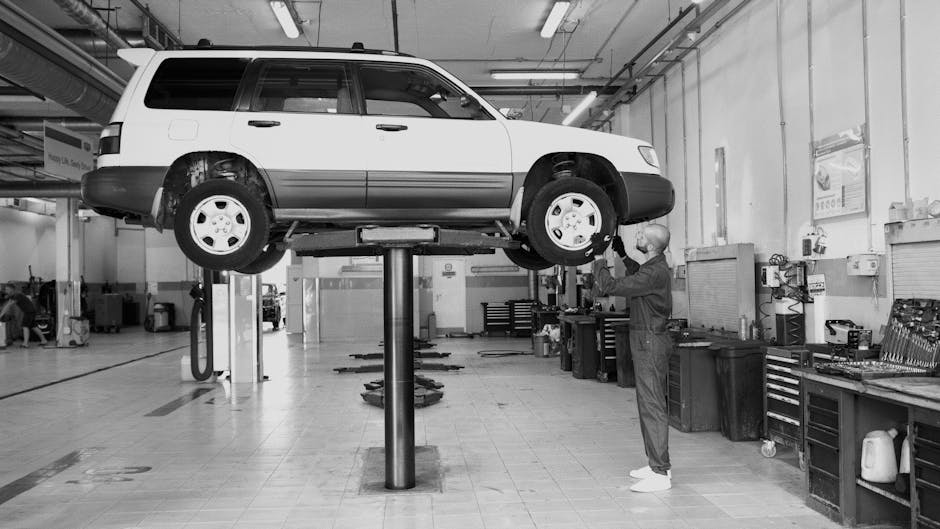
A proper PPI isn't a mechanic glancing under the hood while drinking coffee. It's a structured two-hour process. The shop puts the car on a lift, pulls the wheels if needed, scans for stored fault codes across every module, reads live data from the engine and transmission, pressure-tests the cooling system, inspects the suspension and steering components for play, evaluates brake pad and rotor thickness with calipers, and checks tire condition including alignment wear. On a test drive they listen for driveline noises, feel for transmission behavior, and verify all electronics.
On performance cars they'll also inspect things specific to the platform. VANOS solenoids on BMWs. DSG mechatronics health on Volkswagens. Rear main seal on 996 Porsches. Airmatic compressor on Mercedes. A marque specialist knows where each platform tends to fail and looks there first.
Dealer inspection vs independent PPI
If the dealer says they've "already inspected it," that inspection was done by their own technicians with an incentive to sell you the car. It is not neutral. The Certified Pre-Owned inspection on a CPO car is genuinely more rigorous but the CPO sticker also adds $1,500 to $3,500 to the price. On a non-CPO used car, the "multi-point inspection" sticker on the window is marketing, not diagnosis.
An independent PPI is done by a shop you pick, in your city, with no financial relationship to the seller. The cost ranges from $100 for a basic inspection at a general shop to $300 for a marque-specific inspection at a European specialist. On anything over $15,000 this is nothing. On a $60,000 used sports car it's negligent not to.
Finding the right inspector
Start with marque specialists. If you're buying a Porsche, find a Porsche specialist. If you're buying a Toyota, any competent general shop works, but an Asian-import specialist is better. The goal is an inspector who's seen the same platform 500 times and knows what fails on it.
Ask three questions when you call:
- How long does your pre-purchase inspection take?
- Do you put the car on a lift and scan with a factory-level tool?
- Will you give me a written report with photos?
Good answers are roughly two hours, yes, and yes. If they say 30 minutes and no lift, call someone else. The whole point of the inspection is uncovering what you can't see from a test drive.
How to convince a private seller
Private sellers get twitchy about handing over a car for an inspection. They're worried you'll crash it, or steal it, or damage it during the test drive to the shop. Here's how to make them comfortable:
Tell them you'll meet them at the shop of your choice. They drive the car there. You pay the shop directly before inspection begins. The inspection happens while they wait. If they refuse, that's your answer about the car. A legitimate seller who's confident in their vehicle wants you to inspect it. A seller who refuses either knows something is wrong or has misrepresented the car.
The only exception is collector-grade or low-mileage pristine vehicles where the owner reasonably doesn't want the car driven by strangers. In those cases you can pay the inspector to come to them. Specialists in major cities offer this service for an extra $100 to $200.
What the report actually tells you
The inspection report should be in writing and contain several categories of information. Current condition of wear items like brakes, tires, belts, and fluids. Existing defects like leaks, worn bushings, or exhaust issues. Stored diagnostic trouble codes including pending and history codes. Evidence of prior accident repair. Service records matched against actual component condition. And a repair priority list divided into immediate, upcoming, and future.
That priority list is your negotiating leverage. If the inspector finds $2,400 in needed repairs within six months, you ask the seller to reduce the price by that amount. About half the time they do. The other half the time you walk, which is also fine. There are always other cars.
Red flags that should kill the deal
Some findings should end the transaction immediately regardless of price. Evidence of flood damage. Frame damage not disclosed by the seller. Odometer inconsistencies or evidence of rollback. Engine or transmission fluid that's the wrong color or burned smelling. Cylinder compression variation beyond 10%. Major accident repair not disclosed. Title branded salvage or rebuilt that the seller represented as clean.
Walk away from these. Do not negotiate. These aren't problems you fix, they're problems you inherit.
What an inspection won't catch
A PPI is not a magic force field. It's a snapshot in time. It won't predict a transmission that will fail in six months from a component that's currently working normally. It won't catch intermittent electrical issues that weren't happening during the inspection. It won't find fraud hidden in paperwork unless the inspector specifically checks title history.
This is why you pair a PPI with a VIN history report and with checking the service records yourself. Three layers of verification. Mechanical condition from the inspector. Title and accident history from a Carfax or AutoCheck. Service continuity from dealer records you request directly from the manufacturer.
Cost versus risk math
Consider the typical used car transaction. Median used car price in late 2025 is around $27,800. A $150 inspection represents 0.5% of the transaction. The risk of an undiagnosed major problem on a used car is roughly 15% to 25% depending on platform and mileage. The expected cost of an undiagnosed problem, averaged across cars, is somewhere between $1,800 and $4,000 in repairs within the first year.
Running that math, the inspection has an expected return of roughly 10 to 25 times its cost. There's no other $150 purchase in your life with that ratio.
When to skip an inspection
You can skip a PPI in exactly three cases. Buying from a friend or family member you trust completely who's driven the car daily. Buying a new car with factory warranty. Buying a CPO vehicle and accepting the CPO inspection as sufficient, though I'd still recommend supplementing it.
That's it. In every other case, pay for the inspection. It's not about whether the seller is honest. It's about whether the seller knows what's actually wrong with the car. Most don't, because most owners only find out about problems when something breaks.
My friend with the M340i still owns it. The water pump and thermostat housing are fixed. He's on his third BMW now, and the first thing he does before writing a check is schedule an inspection at the same shop. $150 well spent, every time.