Toyota Tacoma TRD Pro: Off-Road Pickup Worth the Premium
The TRD Pro is the most capable factory mid-size off-road pickup. It is also expensive and specialized. Whether it is worth the premium depends on how you actually use a truck.
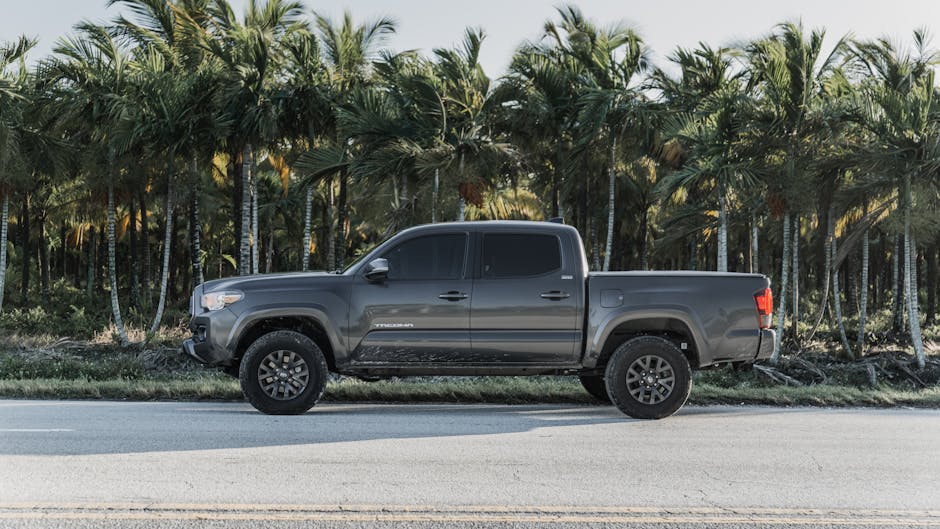
The Toyota Tacoma TRD Pro is the top-of-the-line off-road variant of the Tacoma mid-size pickup. In 2026 the TRD Pro starts at $54,000 and typical as-equipped prices land in the $60,000 to $66,000 range. A regular Tacoma TRD Off-Road starts at $44,000 and gets you 80 percent of the off-road capability at 65 percent of the cost. Understanding which buyer actually benefits from the Pro's premium features versus which buyer is paying for badges they will never use is important before you commit to the higher-priced version.
I have spent time in both the TRD Off-Road and the TRD Pro versions of the current Tacoma generation. The differences are real but smaller than the price gap suggests, and the right choice depends entirely on what you are actually planning to do with the truck. For committed off-roaders who plan to trail their truck regularly, the TRD Pro premium is genuinely justified. For casual buyers who want a nice mid-size truck with good looks, the extra $10,000 is not well spent.
What Actually Changes With the TRD Pro Package
The most meaningful difference between the TRD Pro and the TRD Off-Road is the Fox QS3 adjustable bypass shocks. These replace the TRD Off-Road's Bilstein shocks with a significantly more capable suspension system that provides three adjustable damping settings. The Fox shocks also have greater travel length and better heat dissipation during extended aggressive off-road use.
The difference on a dirt road driven at moderate speed is minimal. Both trucks soak up washboard and moderate impacts well. The difference on sustained high-speed off-road driving is substantial. The Fox QS3 shocks handle 45+ mph rough-terrain driving that would quickly overheat and fade the TRD Off-Road shocks.
The skid plates on the TRD Pro are aluminum and cover the oil pan, transmission, and transfer case. These are genuinely useful for rocky trail driving where you might drag the undercarriage. The TRD Off-Road has smaller skid plates that still provide meaningful protection.
The TRD Pro wheels and tires are specific to this trim, with all-terrain tires that perform better in loose surfaces but wear faster on pavement. The TRD Off-Road wheels and tires are similar in appearance but optimized for more pavement use.
The TRD Pro cat-back exhaust is actually a real change. The louder exhaust note is part of the character and cannot be retrofitted to lower trims without buying the aftermarket parts separately.
Interior changes include red accent stitching, leather-trimmed Recaro-style front seats (on newer model years), and unique dash trim. These are cosmetic but do change the feel of the cabin.
The TRD Pro emblems, badging, and paint options (including the unique Solar Octane orange and Cement gray) are the most visible differences from a casual observer's perspective but obviously do not affect capability.
What the TRD Pro Can Actually Do That Other Trims Cannot
On desert trails at high speed, the TRD Pro's Fox shocks maintain damping control where other shock systems fade. This matters on Baja-style runs where sustained speed over rough terrain is the goal. For desert driving enthusiasts who do multiple miles of high-speed dirt roads, the TRD Pro is genuinely superior.
On technical rock crawling, the TRD Pro's slightly greater suspension articulation and superior skid plate coverage provide real capability advantages. However, the TRD Off-Road with the same locking differentials and traction management systems handles most rock-crawling scenarios almost as well.
On wet or muddy terrain, the TRD Pro's all-terrain tires provide somewhat better traction than the TRD Off-Road's tire compound. However, both trucks can be fitted with the same aftermarket tires at any time, so this advantage is only meaningful if you want the factory experience unchanged.
The crawl control and multi-terrain select systems are identical on both TRD Pro and TRD Off-Road trims. These systems let the truck manage throttle and braking automatically on steep, technical terrain. They work well and are useful but are not unique to the Pro.
Daily Driving the Tacoma TRD Pro
The TRD Pro is not the most comfortable daily driver. The Fox shocks are tuned for off-road performance and the ride over pavement is firm. Expansion joints and potholes translate through the cabin in ways that the TRD Off-Road with Bilsteins does not produce as strongly.
Wind noise at highway speeds is significant due to the truck's squared-off shape and the aggressive all-terrain tires. At 70 mph the TRD Pro is noticeably louder in the cabin than the TRD Off-Road, which itself is louder than a TRD Sport or Limited with highway tires.
Fuel economy is genuinely mediocre. The 2.4L turbo four-cylinder (current generation) is rated at 19 city and 24 highway, but real-world driving averages 17 to 19 mpg. Premium fuel is recommended though not required. Running costs for fuel on a Tacoma TRD Pro driven 15,000 miles per year average $2,400.
Parking is easier than on a full-size truck. The Tacoma fits in normal parking spaces, and the turning radius is reasonable. Backing into tight spots with a trailer requires good rearview camera use, which the Pro includes.
The bed dimensions are adequate for a mid-size truck but small by full-size standards. A 4x8 sheet of plywood does not lay flat in the bed, which surprises first-time mid-size truck owners. Standard hardware store loads fit with the tailgate down.
Reliability and Long-Term Ownership
The Tacoma has a deserved reputation for long-term reliability. The 2.4L turbo engine introduced for 2024 is newer and has less long-term data, but early indications are positive. Previous-generation 3.5L V6 engines (2016 to 2023) routinely go 250,000+ miles with proper maintenance.
The TRD Pro specifically has some wear items that come with the territory. The Fox shocks may require rebuild service at around 60,000 to 80,000 miles for heavily off-road-used trucks. A full rebuild at a qualified shop is $800 to $1,200 per shock for the fronts.
The all-terrain tires on the TRD Pro have faster wear than highway-tire equivalents. Expect 35,000 to 45,000 miles of tire life on the factory all-terrains, versus 50,000+ miles on highway tires. Replacement tire cost is higher too, with OEM-spec all-terrain tires running $1,100 to $1,500 for a set of four installed.
Brake wear is typical for a mid-size truck, with pad replacement typically needed at 50,000 to 70,000 miles depending on driving style. Brake parts are readily available at reasonable prices through aftermarket sources.
Resale value on Tacoma TRD Pro is exceptional. A five-year-old TRD Pro typically retains 70 to 75 percent of its original MSRP, which is among the best resale performances in the automotive industry. This means the high purchase price is partly offset by strong residual value when it comes time to sell or trade.
Who Should Buy the TRD Pro
Committed off-road enthusiasts who plan to use the truck on dirt roads, trails, and technical terrain multiple times per year will benefit from the TRD Pro's superior suspension and capability features. The extra $10,000 buys real performance improvements that will be used regularly.
Buyers who want the specific aesthetic and badging of the TRD Pro, understand they are paying for appearance as much as capability, and have the budget to absorb the premium may also be happy with the TRD Pro. This is a legitimate choice if you know what you are buying.
Buyers who plan to modify the truck immediately with aftermarket suspension, tires, and protection may be better off starting with a TRD Off-Road and upgrading specific components. A TRD Off-Road with $5,000 in aftermarket mods can equal or exceed the TRD Pro capability at lower total cost.
Buyers who primarily use their truck for pavement driving, occasional towing, and light off-road use are better served by the TRD Sport or Limited trims. These provide better on-road comfort, lower fuel costs, and significant price savings while still being capable mid-size trucks.
The Alternative Trucks Worth Considering
The Ford Ranger Raptor, introduced to the US market for 2024, offers similar off-road capability to the TRD Pro at comparable pricing. The Raptor's 3.0L twin-turbo V6 produces 405 hp, which is significantly more than the Tacoma's 326 hp. For buyers who value more power and don't have brand loyalty, the Raptor is a real alternative.
The Jeep Gladiator Rubicon is a direct competitor with the Tacoma TRD Pro. The Gladiator's removable roof and doors are unique features that the Tacoma does not match. The ride quality and daily-drive comfort favor the Tacoma. The off-road capability favors the Gladiator on technical rock-crawling terrain.
The Chevy Colorado ZR2 Bison is the GM alternative at similar pricing. The ZR2 Bison has DSSV dampers from Multimatic (same supplier as some Formula 1 teams) that match or exceed the Fox shocks on the Tacoma. The truck is less proven in long-term ownership but offers legitimate capability at the price.
The used market also offers Tacoma TRD Pro models from 2016 to 2023 at $35,000 to $55,000 depending on year and mileage. For buyers who want the TRD Pro experience without the new-vehicle premium, a gently-used TRD Pro is often the value play. Verify service history and check suspension components on any used off-road truck before purchase.
My Practical Recommendation
If you actually use your truck off-road regularly and you value the factory warranty and support experience of buying new, the TRD Pro is worth the premium. The capability difference over lower trims is real, and the resale value protects the premium reasonably well.
If you occasionally hit dirt roads but do not do serious off-roading, the TRD Off-Road delivers 80 percent of the Pro's capability at a significantly lower price. The $10,000 savings can fund aftermarket tires, a roof-top tent, recovery gear, or simply go toward the next trip.
If your truck is primarily a daily driver with occasional light-duty use, skip the off-road trims entirely. The TRD Sport or Limited models deliver better daily comfort, better fuel economy, and all the capability most buyers actually use.
The TRD Pro is the right truck for the right buyer. It is the wrong truck for the wrong buyer. Understanding which one you are before handing over $60,000 is the most important decision in this purchase process, and Toyota's marketing will not help you make that distinction honestly.