Used Ford Raptor: How to Find One Without Abuse History
Every used Raptor for sale has been jumped. Or they all claim they have not been. The truth is somewhere in between, and the inspection process matters more on these trucks than on most.
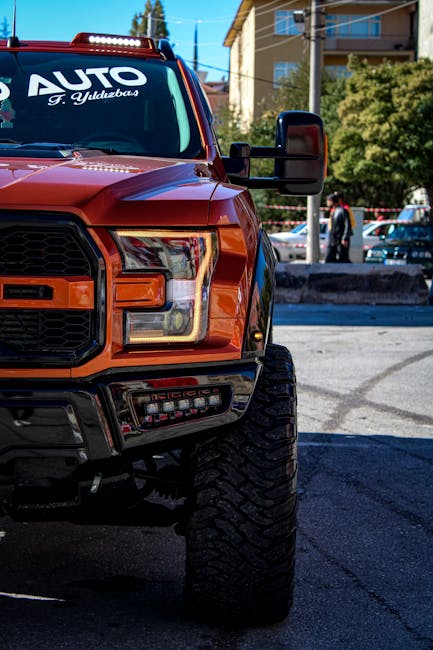
The Ford F-150 Raptor is one of the most popular off-road performance trucks ever sold. Production has spanned two generations (2017-2020 and 2021-present) with annual volumes of 10,000 to 20,000 units. In 2026 the used Raptor market is enormous, with prices ranging from $45,000 for a 2017-2018 Gen 2 with moderate miles to $85,000 for a low-mileage Gen 3 Raptor R with the 5.2L supercharged V8. The market is also absolutely full of trucks that have been abused, jumped, and generally used for the specific purposes for which the truck was designed.
The challenge for a used Raptor buyer is distinguishing between the trucks that were appropriately used and the trucks that were genuinely abused. The Raptor is designed to handle aggressive off-road use, but not every owner respects the limits of the platform. I have helped three friends evaluate used Raptors over the past few years, and the due diligence process is different and more comprehensive than buying a normal used truck. Here is what I have learned works and does not work.
What the Raptor Actually Is
The Ford Raptor is an off-road-focused variant of the F-150 with specific engineering for high-speed desert driving. The platform includes long-travel Fox Racing Shox with internal bypass damping, a widened track width (6 inches wider than standard F-150), 35-inch tires (37-inch optional on newer models), and chassis reinforcement for sustained aggressive use.
Engine options vary by generation. The Gen 2 Raptor (2017-2020) uses a 3.5L EcoBoost twin-turbo V6 producing 450 hp. The Gen 3 Raptor (2021-present) uses the same engine producing 450 hp or the Raptor R with a 5.2L supercharged V8 producing 720 hp. The Raptor R is particularly special because it was available only for 2023 and 2024 model years.
The Raptor is genuinely designed for high-speed off-road use. The suspension is tuned to handle sustained jumps, whoops, and rough terrain at 50+ mph speeds. This is a different design brief than rock crawling (which the Wrangler Rubicon is tuned for) or mud bogging (which no factory truck is really tuned for).
On-road use of the Raptor is acceptable but not ideal. The wide track width makes parking challenging. The tall ride height requires some effort to climb into the cab. The fuel economy is mediocre (15-17 mpg typical). The ride is firm due to the off-road suspension tuning.
The Specific Abuse Patterns to Look For
Jumping damage is the primary concern on used Raptors. The suspension is designed for repeated jumping, but only within specific speed and terrain parameters. Hard landings at speeds above the design range can damage the frame, bend suspension components, and cause long-term structural issues.
Visual inspection for jumping damage starts at the frame. Look for bent or buckled frame members, repaired welds, or paint damage near frame crossmembers. The rear frame behind the cab is the most common point for jumping damage. Any signs of repair in this area are serious red flags.
Suspension components are the next priority. Bent control arms, damaged tie rods, or noticeably worn ball joints suggest aggressive use. The Fox Racing Shox absorbers should move smoothly through their entire range of motion. Any binding, unusual noises, or visible damage to the shock bodies indicates they need to be serviced or replaced.
The front winch bumper (if equipped) and running boards should be inspected for damage. A Raptor used aggressively off-road will have scrapes and dents on the lower bumper and rocker panel areas. Minor scrapes are normal. Crushed or significantly damaged components indicate harder use.
Tires and wheels tell a story. The Raptor's aggressive off-road tires wear in specific patterns under normal use. Chunking (chunks of rubber missing from the tread) indicates high-speed use on rocky terrain. Sidewall damage or repairs suggest off-road cuts. Heavily worn tires on a low-mileage truck suggest aggressive driving style.
The interior can also show wear patterns typical of aggressive use. Scuffed seat bolsters on the driver side indicate the driver has been thrown around during aggressive driving. Loose trim pieces, broken plastic components, or damaged cup holders suggest the truck has been used roughly.
The Documentation That Matters
Service records are critical on a used Raptor. A truck with complete service records from Ford dealers or reputable independent shops provides confidence about how the truck was maintained. A truck without service records is a significant unknown and requires more intensive inspection.
The Fox Racing Shox absorbers should be serviced every 50,000 miles or at signs of wear. Documentation of shock service is a positive indicator of owner care. Lack of documented shock service on a high-mileage Raptor suggests the shocks may be nearing end of life.
Oil change intervals should be every 7,500 miles or better with 5W-30 synthetic. The EcoBoost V6 engines can suffer from carbon buildup on direct-injected intake valves if oil changes are stretched. Documentation showing regular oil changes at 5,000 to 7,500 mile intervals is ideal.
The 10-speed transmission in current Raptors has a fluid service at 60,000 miles. Documentation of this service is a positive indicator.
Any warranty work, especially related to the engine, transmission, or suspension, should be reviewed carefully. A truck with multiple warranty claims in these systems may have unresolved underlying issues.
Verify that any aftermarket modifications are documented and properly installed. Tunes, bigger tires, leveling kits, and cosmetic modifications are common on Raptors. Quality modifications from reputable suppliers are not necessarily a red flag. Poor-quality or amateur modifications are concerning.
The Generation-Specific Considerations
The Gen 2 Raptor (2017-2020) with the 3.5L EcoBoost V6 is the most common configuration in the used market. These trucks have been in service longer and have had more time to develop issues. Known weak points include turbocharger actuator problems, particularly on early-production 2017 models. Early transmission calibration issues were resolved through software updates.
The 10-speed transmission in Gen 2 Raptors had known issues with rough shifting and occasional hard shifts in early examples. Ford released multiple software updates that resolved most of these issues. Any Gen 2 Raptor should have the latest transmission calibration.
The Gen 3 Raptor (2021-2023) with the 3.5L EcoBoost V6 is the newer and more refined version of the platform. Power output increased modestly to 450 hp. The truck received significant chassis and electronic upgrades. Early examples had some issues with the infotainment system that were resolved through updates.
The Raptor R (2023-2024) with the 5.2L supercharged V8 is a limited-production variant that commands significant premiums. Production was reportedly limited, and values on these trucks have been strong. Most Raptor R buyers are enthusiasts rather than typical truck buyers, which generally means these trucks have been cared for better than base models.
The Pre-Purchase Inspection Process
A pre-purchase inspection on a used Raptor costs $300 to $500 at a qualified shop. This is higher than a typical used car PPI but reflects the additional complexity and specialized knowledge needed to evaluate this platform properly.
The inspection should include time on a lift with close attention to frame integrity, welds in any repaired areas, suspension component condition, and underbody damage. A straight-frame Raptor should have even paint finish across all frame members with no visible repair weld marks.
The inspection should include a proper test drive under various conditions. Highway cruising at 75 mph to check alignment and stability. Low-speed bumpy road driving to check suspension operation. Aggressive acceleration to check transmission and engine response. Braking from 45 mph to check brake operation. All of these reveal different potential issues.
A professional scan of the truck's OBD-II system will identify stored fault codes, including cleared codes from the last few hundred engine cycles. A truck with recently cleared codes is a red flag. A truck with no stored or cleared codes is a positive indicator.
Oil analysis is worth the $35 cost on any used Raptor purchase. A laboratory analysis of engine oil samples reveals wear metal concentrations, coolant contamination, and fuel dilution that can indicate early-stage engine problems. High copper or iron concentrations suggest internal wear.
Specific Price Guidance
A 2017 Raptor SuperCrew with 60,000 to 90,000 miles in clean condition should trade at $42,000 to $55,000. SuperCab versions (shorter bed, smaller cab) trade at a $3,000 to $5,000 discount.
A 2020 Raptor SuperCrew with 35,000 to 65,000 miles in clean condition should trade at $55,000 to $65,000. These are the last of the Gen 2 trucks and represent a good value proposition.
A 2021-2022 Gen 3 Raptor SuperCrew with 25,000 to 50,000 miles should trade at $62,000 to $78,000. The 37 Performance Package adds $3,000 to $6,000 to used prices depending on year.
A 2023 Raptor R in clean condition with moderate miles trades at $95,000 to $120,000 depending on mileage. These limited-production trucks are holding value extremely well.
Factor an additional $3,000 to $8,000 for quality aftermarket upgrades such as tires, suspension modifications, bumpers, or recovery equipment. Poor-quality modifications typically reduce value.
When to Walk Away
Any documented frame damage is a dealbreaker, even if professionally repaired. The frame provides structural integrity for the suspension system, and damage in this area can affect handling and safety.
Evidence of excessive jumping damage (bent components, repeated repaired welds) should also be a dealbreaker. These trucks have likely sustained progressive damage that will manifest over time.
A truck with no service records and obvious signs of hard use is a serious risk. Without documentation, you cannot verify what has been maintained and what has not.
Major modifications that cannot be reversed (permanent body changes, frame modifications) should be approached with caution. These modifications may void factory warranties and can reduce resale value significantly.
Any transmission issues noted during the test drive should be addressed before purchase. 10-speed transmission problems on Raptors can be expensive to repair.
A low-mileage Raptor at an unusually low price should trigger careful inspection. Hidden issues are the most common reason for below-market pricing. Walk away if something feels off.
The Final Recommendation
A properly vetted used Raptor from a known-good owner with complete service records is a fantastic value in the used truck market. The combination of off-road capability, performance, and utility is genuinely special and can be enjoyed for many years.
A used Raptor from an unknown seller without proper documentation and inspection is a risk that can cost thousands in repairs shortly after purchase. The price difference between a clean example and a questionable one is usually $5,000 to $10,000, which is less than the repair costs from inheriting someone else's problems.
Take your time, inspect thoroughly, verify documentation, and do not skip the pre-purchase inspection. The extra effort on the front end prevents expensive surprises after purchase and ensures you get the Raptor experience you are actually paying for.